If you’ve ever had your AC or heater go out in the middle of a Texas season, you already know this feeling — the comfort disappears, the house warms up fast, and the big question hits: how much is this going to cost? HVAC repair pricing can feel unpredictable, but there’s actually a normal range most repairs fall into. Once you understand what drives those costs here in Texas, the whole process feels a lot less overwhelming.
Most HVAC repairs in Texas usually land somewhere between $200 and $2,500. Smaller fixes sit on the low end, while major parts or labor‑heavy repairs show up near the top of that range. The true cost depends on what failed, how old the system is, the type of refrigerant it uses, and how difficult the equipment is to access. Summer demand also plays a role — when temperatures spike, HVAC schedules stay full and pricing pressure rises with it.
Snapshot: HVAC Repair Costs in Texas
| Category | Typical Range / Insight |
| Overall HVAC Repair Range | $200–$2,500 |
| Minor Fixes | $75–$300 |
| Refrigerant Leak Repair | $200–$1,500 |
| Fan Motor Repair | $200–$600 |
| Compressor Replacement | $1,200–$2,500 |
| System Lifespan | 12–15 years on average |
| Seasonal Trend | Higher pricing May–September |
| Best Time for Service | Spring & Fall — better scheduling + less demand |
| Key Cost Drivers | Age, refrigerant, labor, parts, & accessibility |
What Affects HVAC Repair Costs?
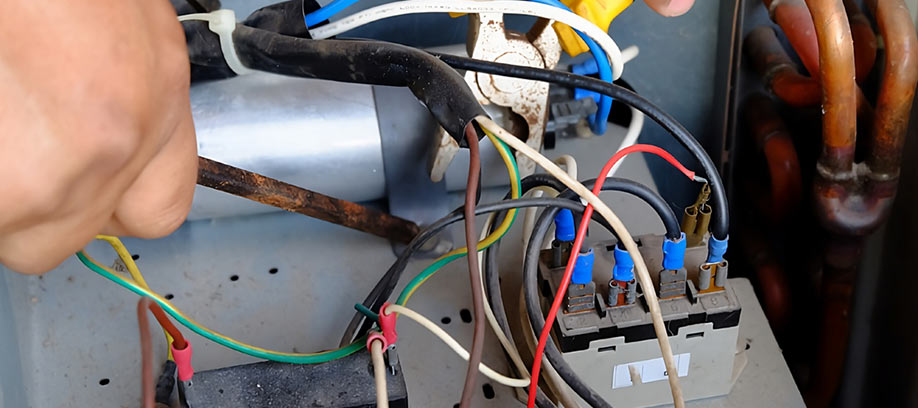
Your HVAC system is a mix of electrical parts, refrigerant loops, fans, motors, safety controls, and ductwork. When something goes wrong, the source of the problem has a major impact on the final cost. Here’s what influences pricing most often.
1. Problem Severity
Minor problems — like dirty sensors or clogged filters — are usually inexpensive. But when major components such as evaporator coils, compressors, or blower motors fail, the work becomes more involved. Bigger parts and longer labor time naturally raise the total repair price.
2. Type of System
High‑efficiency central AC systems and heat pumps often cost more to repair than very basic units. That’s because they contain more advanced components and control systems. Heat pumps also heat and cool, which means more wear over time.
3. Age of the Equipment
Once an HVAC unit reaches 10 to 12 years of age, breakdowns generally become more common. Older parts are harder to find, and some models use refrigerants that are being phased out — both of which can bump up repair costs.
4. Refrigerant Type
Systems using older refrigerants like R‑22 tend to cost more to repair because that refrigerant is no longer produced in the U.S. Modern systems using newer blends usually cost less to recharge.
5. Labor and Diagnostic Fees
Most Texas HVAC companies charge a diagnostic fee to evaluate the system — usually somewhere between $75 and $150. Emergency calls, nights, and weekends generally cost more because they require after‑hours labor.
Common HVAC Repairs and Their Typical Cost
Here are some of the repairs we see most often in Texas homes, along with real‑world price ranges so you know what to expect.
Refrigerant Leak — $200 to $1,500
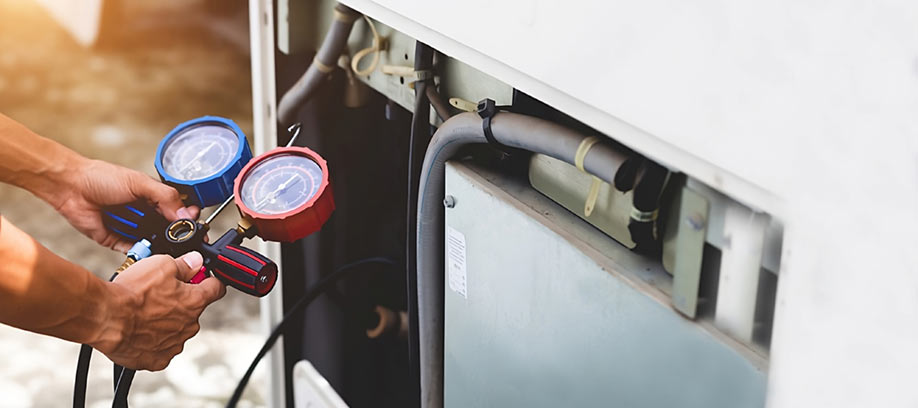
A refrigerant leak makes your AC work overtime while cooling less effectively. Costs depend on leak size, repair location, and refrigerant type. Large or hidden leaks tend to cost more.
Fan Motor Repair — $200 to $600
Fan motors keep air moving through your system. If one fails, the system may overheat or shut down completely. Pricing varies depending on whether the motor is repaired or replaced.
Compressor Replacement — $1,200 to $2,500
Your compressor is the heart of your AC system. When it fails, cooling stops entirely. Because compressors are expensive, many homeowners consider full system replacement if the unit is older or inefficient.
Clogged Filters or Drain Lines — $75 to $250
These are simple but very common issues. Fixing them early prevents much larger problems, including water damage, frozen coils, and motor strain.
When Should You Repair vs. Replace Your HVAC System?
There’s a point where repairing an old system doesn’t always make financial sense anymore. A simple rule most contractors use goes like this:
- If your system is under 10 years old — repairs typically make sense.
- If your system is over 12–15 years old — start considering replacement.
- If a repair costs more than 30% of replacement — replacement is worth discussing.
Newer systems usually run quieter, use less energy, and cool more evenly — which matters during long Texas summers.
How to Avoid Expensive HVAC Repairs
The easiest way to prevent large repair bills is to stay ahead of small issues. A few simple habits go a long way.
1. Schedule Maintenance Twice Per Year
Spring and fall tune‑ups help technicians catch issues early — before they turn into emergency breakdowns.
2. Replace Filters Every One to Three Months
Clean filters improve airflow, reduce strain on the system, and keep energy bills lower. Homes with pets or allergies may need more frequent changes.
3. Keep the Outdoor Unit Clear
Leaves, fencing, clutter, and tall plants block airflow and make your system work harder than it should. Keeping two feet of clearance is a safe rule‑of‑thumb.
4. Watch for Warning Signs
Warm air, odd sounds, frequent cycling, rising bills, or ice buildup all signal developing problems. Early service nearly always costs less than late service.
Texas Trends: What Homeowners Should Know
Texas HVAC systems run longer and harder than systems in many other states — especially around Houston, where heat and humidity are constant. This heavy use means repairs are a normal part of system ownership. Summer demand can increase labor costs and wait times, and older R‑22 systems continue to rise in repair cost as supplies shrink. Upgrading before a failure sometimes saves money long‑term.
FAQs
What is the average cost of an HVAC repair?
Most HVAC repairs in Texas fall between $200 and $2,500, depending on the part, labor time, and system age. Smaller issues land near the low end, while compressor or refrigerant‑related repairs sit closer to the top. A detailed repair estimate should clearly explain where your price falls within that range. Knowing the typical pricing makes it easier to judge fairness.
How do I know if my HVAC repair price is fair?
A repair price is usually fair if it aligns with typical Texas ranges and includes a clear breakdown of parts and labor. If a major repair reaches 30 percent or more of the cost of a new system, it’s worth discussing replacement as an option. A trustworthy contractor will walk you through both choices so you can decide what fits your budget best.
What is the most expensive HVAC repair?
Compressor replacement is typically the most expensive repair because the compressor is the primary cooling component. This repair often runs between $1,200 and $2,500 depending on model and labor. Many homeowners choose full system replacement when compressors fail on older units.
Can maintenance really prevent HVAC breakdowns?
Yes — most unexpected breakdowns can be traced back to neglected maintenance. Regular inspections, drain cleaning, filter changes, and electrical testing help protect your system from stress and overheating. Skipping maintenance allows minor issues to snowball into major repairs.
When should I replace instead of repair my HVAC system?
If your system is over 12 to 15 years old and the repair cost is high, replacement usually makes more financial sense. Older systems cost more to run and tend to break down more often. A new, efficient system may lower bills and reduce future repairs.
Why Texas Homeowners Trust John Moore HVAC Services
For decades, John Moore HVAC Services has helped Houston‑area families stay comfortable in every season. Our licensed technicians provide honest diagnostics, clear pricing, and quality repairs backed by local experience. Whether you’re dealing with a small fix or a full system failure, we’re here to help you make the right decision for your home and budget.