If you’re trying to figure out how much HVAC service costs in Texas, here’s the straight answer: most routine service visits land somewhere between $90 and $250, but the final price depends on the condition of your system and what the technician finds once they open things up. A simple tune‑up usually stays toward the lower end. But if a part is wearing out, or the system is struggling more than it should, the cost can go up from there. Still, catching problems early almost always beats getting stuck with an emergency breakdown during a Houston summer — and trust me, that never happens at a convenient time.
And let’s be honest — HVAC systems in Texas do not get an easy life. They run during long summers, humid nights, pollen season, dust season… you name it. If you live anywhere near Houston, you already know your AC isn’t just a luxury — it’s survival equipment. So when people ask what HVAC service costs, what they usually mean is: what’s the realistic cost of keeping this thing running so I don’t have to replace it before its time? That’s a smart way to look at it.
Snapshot: HVAC Service Cost & System Lifespan
| Feature | Details for Texas Homeowners |
| Typical Tune‑Up Cost | $90–$250 depending on system and access |
| Emergency or Weekend Visit | $150+ in most areas |
| Average HVAC Lifespan | 12–20 years with proper maintenance |
| Biggest Cost Factors | Age, condition, parts, labor time, and attic/roof access |
| Energy Impact | Clean systems run cooler and use less electricity |
Why Routine HVAC Service Matters (Especially in Texas)
Some folks think HVAC maintenance is optional — something you only do if you remember or when something breaks. But Texas heat doesn’t play around. When an AC runs nonstop for weeks at a time, dust, moisture, and pollen slowly build up inside the system. Coils get dirty. Drains clog. Electrical contacts loosen. Motors work harder than they should. At first you may only notice a small change, like the house taking a little longer to cool. But the strain builds quietly until a part gives up.
Routine service is meant to stop that chain reaction. A good HVAC technician isn’t just looking for what’s broken — they’re also looking for what’s getting ready to break. That’s usually the difference between a $150 visit and a $1,500 surprise. It’s the same idea as changing your car oil instead of waiting for the engine light — except your AC doesn’t have a dashboard warning.
What’s Usually Included in HVAC Service?
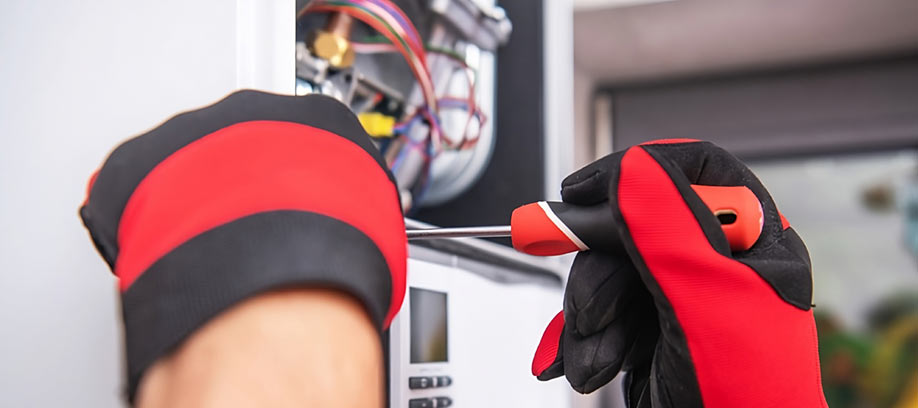
A quality HVAC service visit is part inspection, part cleaning, part performance check, and part common sense. There’s no magic trick to it — just experience and thoroughness. Here’s what most Texas homeowners can expect during a normal tune‑up:
- Condensate drains are cleared so moisture doesn’t back up into the system.
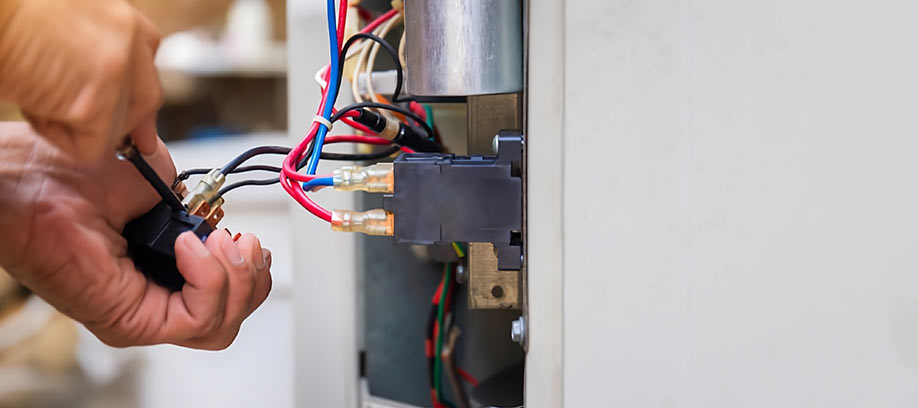
- Electrical connections are tightened and inspected to prevent overheating or burning.
- Motors and moving parts are lubricated where needed.
- Coils are inspected and cleaned when necessary to improve heat transfer.
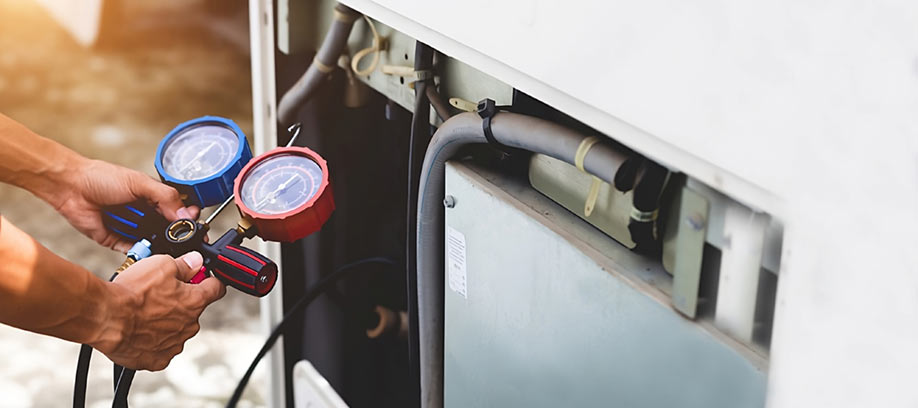
- Refrigerant pressures are measured to make sure the system isn’t running under strain.
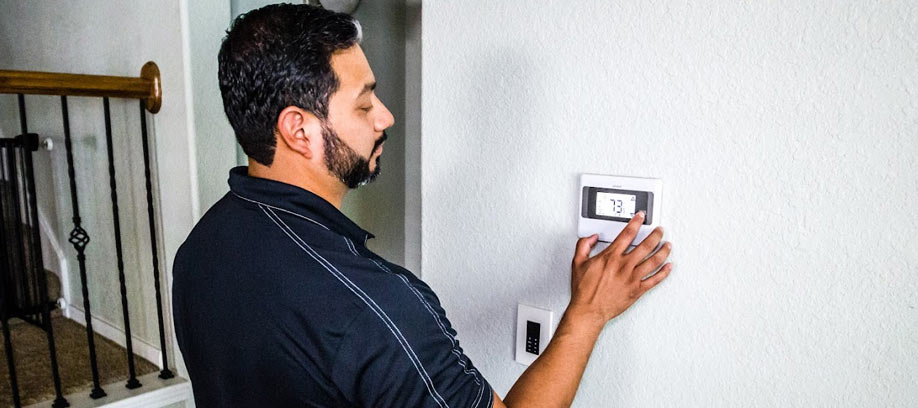
- Thermostat settings and calibration are checked for accuracy.
Some visits take 30–45 minutes. Others take longer if cleaning or minor corrections are needed. Either way, you should walk away knowing what shape your system is in — not guessing.
What Really Affects HVAC Service Cost?
Not every system costs the same to service. A few key factors tend to move the needle on cost — sometimes a little, sometimes a lot.
- System Age — older units require more attention and sometimes harder‑to‑find parts.
- Brand & Efficiency Level — high‑efficiency or specialty systems take more time to service.
- Condition — neglected systems simply take more work to bring back into shape.
- Seasonal Demand — summer heat waves mean tighter schedules and higher demand.
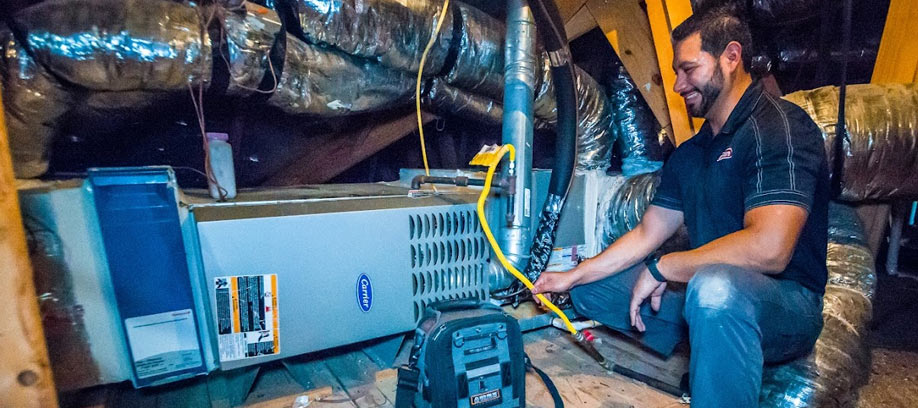
- Accessibility — units in hot attics, tight closets, or rooftops take longer to reach and service.
If you ever feel unsure about a price, ask the technician to explain what they found. A good contractor will walk you through it in plain English — no pressure, no jargon.
Maintenance vs. Repairs: Where the Real Savings Are
Routine maintenance has predictable costs. Repairs do not. That’s really the bottom line. When a system goes years without service, simple parts like capacitors, contactors, and blower motors start wearing out faster than they should. And if those fail at the wrong time — like during a 100‑degree week — you may also be paying for emergency scheduling on top of the repair.
We see it all the time: a homeowner puts off a $200 tune‑up, then three months later winds up replacing a major component that would have lasted longer with basic upkeep. Maintenance isn’t about selling visits. It’s about avoiding the “no‑cool” panic call.
A Simple HVAC Service Plan for Texas Homes
Schedule maintenance once a year — twice a year if your system runs constantly.
Change filters regularly — usually every 1–3 months depending on your home and family.
Keep the outdoor unit clear — it needs open space to breathe and release heat.
Don’t ignore weird smells, noises, or sudden cooling changes — they rarely fix themselves.
That simple plan alone can save you thousands over the life of the system. And no, you don’t need to become an HVAC expert — that’s our job.
Current HVAC Service Trends in Texas
Across Texas — and especially in the Houston area — we’re seeing more homeowners lean toward preventive care instead of waiting for breakdowns. Smart thermostats and system monitors are helping spot problems sooner. High‑efficiency systems are becoming more common. And yes, energy costs are still a big motivator — because a tuned system simply runs cheaper.
FAQs
How often should HVAC maintenance be done in Texas?
Most Texas homes should schedule at least one professional HVAC service visit every year, preferably before peak cooling season. If your system runs heavily or you use a heat pump for both heating and cooling, twice‑yearly service may be even better. Regular upkeep helps reduce surprise breakdowns and keeps utility costs steadier.
What is the average lifespan of an HVAC system in Texas?
Most HVAC systems last between 12 and 20 years in Texas, depending on maintenance, installation quality, and how hard the system runs. Systems that receive yearly service and proper filter changes tend to last longer. Neglected systems simply wear out faster — there’s no way around that.
Can I do HVAC maintenance myself?
Homeowners can absolutely help by replacing air filters and clearing debris from around the outdoor unit. But anything involving refrigerant, electrical testing, or internal cleaning should be handled by a licensed HVAC professional. That keeps your warranty intact and prevents accidental damage or safety risks.
Why does HVAC service cost more during peak summer heat?
Summer heat waves create higher demand for HVAC technicians, so scheduling becomes tighter and after‑hours or priority visits may cost more. Booking maintenance before peak season usually saves money and stress. Think of it like airline tickets — timing matters more than most people realize.
Why Houston Homeowners Trust John Moore HVAC Services
At John Moore HVAC Services, we don’t believe in scare tactics or guesswork. Our licensed technicians inspect your system thoroughly, explain what they see, and help you make smart decisions about maintenance and repairs. Whether you’re trying to lower utility bills, prevent breakdowns, or just keep your home comfortable year‑round, we’re here to help — with honest communication, real‑world experience, and service you can count on.