Most people don’t think much about their HVAC system when it’s working. It just hums along in the background — keeping the house cool in the summer, warm in the winter, and comfortable the rest of the year. But here’s the thing most homeowners eventually learn: when an HVAC system breaks, it suddenly becomes the most important thing in the house. That’s why regular HVAC maintenance matters so much. It isn’t just about tune‑ups or checklists. It’s about preventing big, expensive headaches down the road.
Think of maintenance the way you think about oil changes on a car. Skipping one doesn’t destroy the engine right away. But skip enough of them — and you will eventually pay for it. HVAC systems work the same way. A little attention now protects comfort, safety, and your wallet later.
Snapshot: What HVAC Maintenance Really Does for Your Home
Here’s a simple, homeowner‑friendly way to look at it. Regular maintenance:
- Keeps your HVAC system running more efficiently — which helps lower energy bills.
- Extends the life of your equipment by reducing strain and wear.
- Helps prevent surprise breakdowns — especially during peak Texas heat.
- Improves air quality inside the home when filters and coils stay clean.
None of that is hype. Every HVAC technician sees the same pattern — systems that get maintained last longer and break down less often.
Why HVAC Maintenance Matters So Much in Texas
In Texas, HVAC systems don’t really get a break. Between long cooling seasons, humidity, and temperature swings, your equipment is always doing something. That constant workload means parts wear out faster if they aren’t inspected or cleaned regularly.
Dust and moisture can build up on coils. Drain lines clog. Motors loosen. Electrical connections corrode a little at a time. Maintenance is about catching those little things early — before they become major repairs.
What Homeowners Can Do vs. What a Pro Should Handle
There are a few maintenance tasks you can safely handle on your own — and then there are the ones that really belong in a licensed technician’s hands.
Here’s the simple breakdown:
- Replacing your air filter every 1–3 months — totally fine to do yourself.
- Keeping the outdoor AC unit clear of weeds, leaves, and debris — also DIY‑friendly.
- Cleaning coils, checking refrigerant, and inspecting wiring — that’s professional‑only territory.
The filter is the big one. A clogged filter forces your HVAC system to work much harder than it should — which means higher energy bills, weak airflow, and eventually breakdowns. So if you only do one thing consistently, make it that.
The Real‑World Benefits of Staying on Top of Maintenance
This is usually where people ask — is maintenance really worth it? Here’s what most homeowners notice when they keep up with it.
First, the electric bill calms down. A clean, tuned‑up system doesn’t fight itself to move air. That efficiency adds up month after month — especially through long summers.
Second, the system usually lasts longer. HVAC equipment isn’t cheap. When parts stay lubricated, clean, aligned, and tested — everything runs smoother and wears down slower. Most people prefer replacing a system at year 18 instead of year 10.
And third — maintenance helps you avoid those sudden, stressful breakdowns. If you’ve ever had an AC quit during a 100‑degree heat wave, you already know what that stress feels like.
The Hidden Cost of Skipping HVAC Maintenance
- Energy bills creep up slowly over time.
- Small issues turn into major repairs.
- Dust and debris restrict airflow and strain parts.
- System lifespan gets shorter than it should have been.
- Breakdowns always seem to happen at the worst possible time.
The problem with skipped maintenance is that the damage builds quietly. You won’t always notice it right away — but eventually the system shows it.
What a Professional Maintenance Visit Usually Includes
Every company has its own checklist, but a thorough maintenance visit normally includes things like cleaning, testing, tightening, safety checks, airflow checks, and system performance tuning. The point isn’t just to look at your system — it’s to make sure it’s running safely and efficiently.
FAQs
How often should HVAC maintenance be done?
Most homes benefit from maintenance once or twice a year. In Texas, many homeowners schedule a spring visit for AC and a fall visit for heating. This keeps your system ready before the heavy‑use seasons hit.
Does HVAC maintenance really make a difference?
Yes — maintenance helps reduce energy use, prevent breakdowns, and extend system life. Technicians catch small issues before they turn into expensive repairs. That peace of mind alone is worth it for most homeowners.
Can I skip professional maintenance if I change my own filters?
Changing filters is extremely important — but it isn’t the same as full maintenance. Professional technicians inspect electrical parts, refrigerant, airflow, and safety systems. Those are areas homeowners shouldn’t handle on their own.
Does HVAC maintenance improve indoor air quality?
Yes — clean filters and coils mean less dust and debris blowing through your vents. Homes with pets, allergies, or asthma especially benefit from cleaner airflow. It won’t solve every air‑quality problem, but it definitely helps.
Is HVAC maintenance expensive?
Most maintenance visits cost far less than a major repair. And since maintenance helps avoid breakdowns and wasted energy, it usually pays for itself over time. Think of it as protecting one of the most important systems in your home.
Why Texas Homeowners Trust John Moore HVAC Services
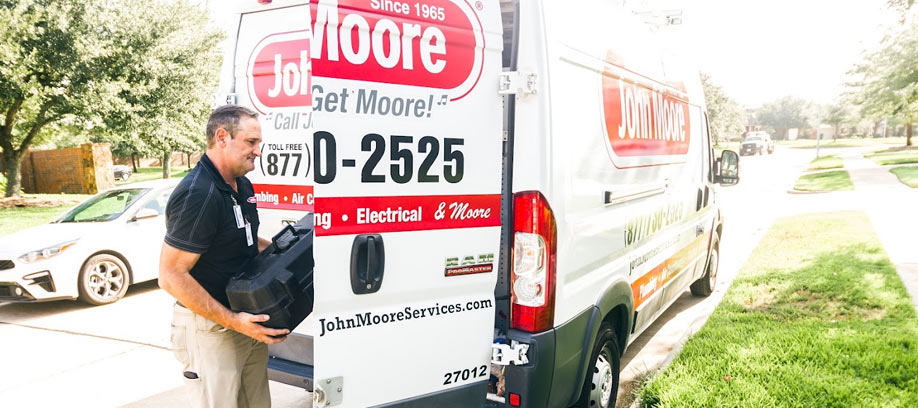
At John Moore HVAC Services, we believe maintenance should be simple, honest, and helpful — not confusing or stressful. Our licensed technicians inspect your system the right way, explain what they see, and help you keep your home comfortable year‑round. If you want your HVAC system to last longer, run smoother, and cost less to operate — maintenance is the smartest place to start.