In Texas, your HVAC system isn’t a luxury — it’s a lifeline. It keeps the house cool when the heat index is pushing triple digits and helps your home stay livable through long stretches of humidity. When a system works that hard, maintenance stops being optional. Without routine service, parts wear out faster, your power bill creeps higher, and those surprise breakdowns have a way of showing up at the worst possible time.
The tricky part is that most HVAC systems don’t fail overnight. They slowly drift out of tune. Airflow weakens a little. The system runs longer than it used to. Maybe you hear a noise now and then. Those are small warning signs — and maintenance is what catches them before they turn into major repairs. That’s why technicians talk about “prevention” so much. It really does save money and stress in the long run.
So instead of thinking of HVAC maintenance as an extra expense, it helps to think of it as insurance for one of the most important systems in your home. A little care now protects your comfort, your equipment, and sometimes even your health — especially when heat or cold becomes extreme.
Snapshot: What Proper HVAC Maintenance Helps Prevent
- Higher electric bills caused by strain and poor airflow
- Premature wear on compressors, motors, and electrical components
- Weak cooling and uneven temperatures from clogged filters and coils
- Drain clogs that lead to leaks or water damage
- Complete shutdowns during peak Texas heat — the time you least want it
These aren’t rare problems — they’re the everyday issues HVAC technicians see when systems haven’t been serviced in a while.
How Maintenance Keeps Your HVAC System Running Smoothly
Maintenance is really about reducing stress on the equipment. When your HVAC system has to fight dust buildup, dirty coils, weak airflow, or worn parts, it runs longer than it should. Longer run times mean more heat, more friction, and more wear. Over time, that’s what leads to blown capacitors, burnt wiring, motor failures, and high repair costs.
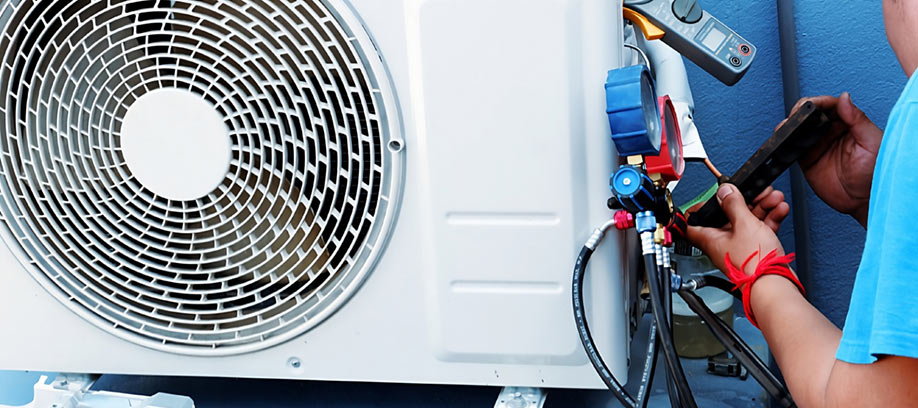
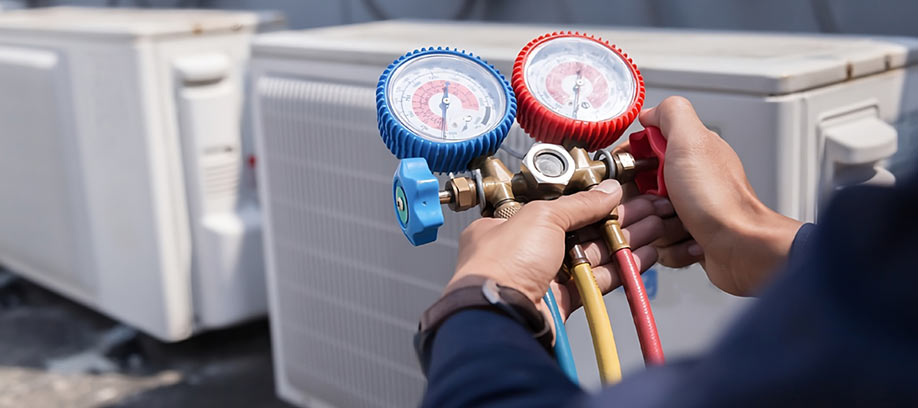
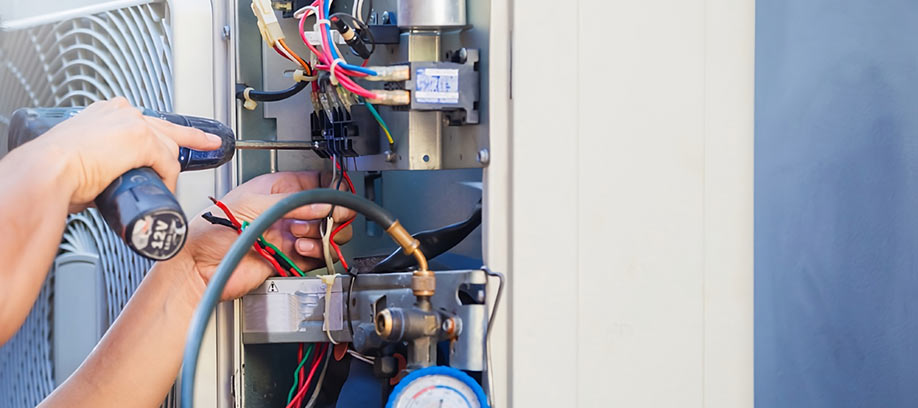
A licensed HVAC technician checks the parts you don’t normally see — refrigerant levels, safety controls, wiring, drainage, blower performance, duct airflow, and system temperature readings. If something looks borderline, it can be corrected before it becomes a full-blown breakdown. In many cases, a small fix during maintenance prevents a very big one later.
What Happens When HVAC Maintenance Is Ignored
Skipping maintenance doesn’t always cause an immediate failure. The system still runs — until one day it doesn’t. Here’s what usually happens along the way:
- Dust reduces airflow, so the system works harder to cool the same space.
- Heat builds inside the equipment, wearing out motors and electronics.
- Refrigerant pressures drift out of range, which strains the compressor.
- Moisture in the drain system causes algae growth and clogs.
- Eventually, a major part fails — and the repair bill isn’t small.
By the time the symptoms are obvious, damage has often been building quietly for months or even years.
A Simple Maintenance Plan for Texas Homes
You don’t have to become an expert to take good care of your HVAC system. This simple plan covers what most Texas households need:
- Replace air filters every 1–3 months depending on dust, pets, and allergies.
- Schedule a professional AC tune‑up in the spring before heavy cooling begins.
- Schedule heating system service in the fall before the first cold front hits.
- Keep bushes, debris, and weeds at least two feet away from your outdoor unit.
- Call a pro if you notice unusual noises, weak airflow, or strange smells.
That’s really it — nothing complicated. But staying consistent makes a major difference in comfort and reliability.
Why Maintenance Saves You Money Long‑Term
Most homeowners are surprised when they learn how much money HVAC maintenance can save over the life of a system. A tuned‑up system doesn’t have to work as hard to heat or cool your home, so it uses less electricity. Fewer breakdowns mean fewer emergency service calls — which are always more expensive and usually come at the worst possible time. And when equipment lasts longer, you delay the cost of full replacement — sometimes by years.
So yes, maintenance costs something up front. But in almost every case, it costs a lot less than neglect.
How Maintenance Affects Indoor Air Quality
Your HVAC system doesn’t just control temperature — it also moves the air you breathe. When filters, coils, and blower parts collect dust and debris, that material can end up cycling through your ducts. Clean systems help reduce dust circulation and improve airflow, which can make the home feel fresher and more comfortable. Homes with pets, allergies, or asthma benefit even more from routine cleaning and filter changes.
FAQs
How often should HVAC maintenance be scheduled?
Most homes do best with professional maintenance once or twice a year. In Texas, spring and fall visits make the most sense — your system is checked and tuned before the seasons that demand the most work from it. Skipping maintenance often leads to higher repair costs down the road, especially during peak heat waves.
Does HVAC maintenance really extend system life?
Yes. Regular maintenance reduces stress on motors, compressors, wiring, and other key components. When the system runs efficiently and stays clean, it doesn’t have to work as hard — which means less wear and tear over time. That usually translates into more years of reliable service before replacement becomes necessary.
Will HVAC maintenance help lower my energy bills?
In most homes, yes. A clean, well‑tuned HVAC system moves air more efficiently and reaches your thermostat setting faster. That means shorter run times and reduced energy use. It’s one of the simplest ways to control utility costs in a state where AC runs for much of the year.
Can homeowners do their own HVAC maintenance?
Homeowners can absolutely handle some basic care — like changing filters and keeping outdoor units clear of debris. But deeper system checks, electrical testing, refrigerant work, and performance tuning should only be done by licensed HVAC professionals. That keeps your system safe, protects warranties, and ensures the job is done correctly.
What are the signs that my HVAC system needs service?
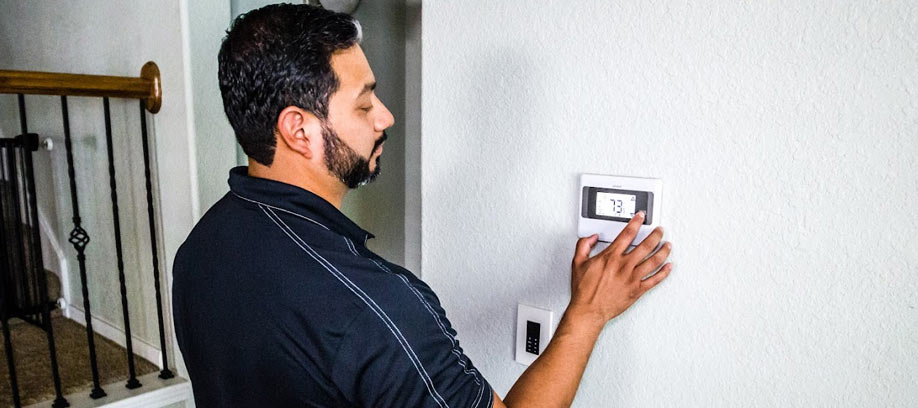
Common warning signs include weak airflow, unusual noises, rising energy bills, bad odors from vents, or rooms that never seem to reach the right temperature. If your system runs longer than it used to or shuts off unexpectedly, that’s also a sign. Calling for service early often prevents more expensive repairs later.
Why Texas Homeowners Trust John Moore HVAC Services
For decades, John Moore HVAC Services has helped families across Texas keep their homes safe and comfortable year‑round. Our licensed technicians provide honest maintenance, thorough inspections, and clear recommendations — without pressure tactics. Whether you want to improve efficiency, prevent breakdowns, or simply protect your HVAC investment, regular maintenance is one of the smartest decisions you can make.