Your AC just made this noise—honestly sounds like something died in there. Or maybe your electric bill literally doubled for no apparent reason whatsoever. Or your house won’t drop below 78 degrees no matter what you do. At some point, every Texas homeowner ends up wondering: what exactly are these HVAC techs actually doing when they show up at my house? Like, are they just swapping out parts real quick, or is there way more going on that I don’t see?
Alright, here’s the deal—HVAC repair technicians are basically the mechanics, detectives, and wellness coaches for your heating and cooling system all rolled into one person. They do way more than just fix broken stuff when it quits working—though yeah, they definitely handle that too. Let me break down what they actually do and why their work matters more than most people realize.
Quick Facts: HVAC Technicians in Texas
- What they actually do: Diagnose problems (this takes skill), perform maintenance, repair or replace busted components, optimize system performance, and keep everything running smooth. It’s definitely not just ‘find the broken thing and replace it’—there’s honestly a ton of detective work involved that most folks never see.
- Typical service call cost: 150-250 bucks for the visit and diagnosis, then you’re paying for parts and labor on top of that. Emergency calls—like nights, weekends, holidays—can run you 200-400 dollars just for them to show up at your door.
- Common repair costs: Simple fixes like capacitors or contactors usually run 150-300 dollars. Bigger problems like compressors or blower motors? That’s more like 500-2,000 dollars. Full refrigerant recharge runs about 400-800 dollars depending on what type your system uses and how much it needs.
- How often you need them: At least once a year for maintenance, ideally twice (spring tune-up for AC, fall check for heat). Plus whenever something actually breaks down, which hopefully isn’t super often if you’re keeping up with the maintenance side of things.
- What separates good techs from mediocre ones: Experience catching small problems before they become disasters, honest pricing that doesn’t gouge you, thorough explanations so you understand what’s wrong, proper licensing and insurance, and actually fixing the root cause instead of just putting a temporary Band-Aid on symptoms.
- Houston area considerations: Our insanely long cooling season (April through October, sometimes even longer) means techs here see way more AC-related problems than heating issues. They’re total experts at dealing with humidity control and systems that literally run nonstop for months at a time.
What HVAC Repair Technicians Actually Do
Inspection and Diagnosis (The Detective Work)
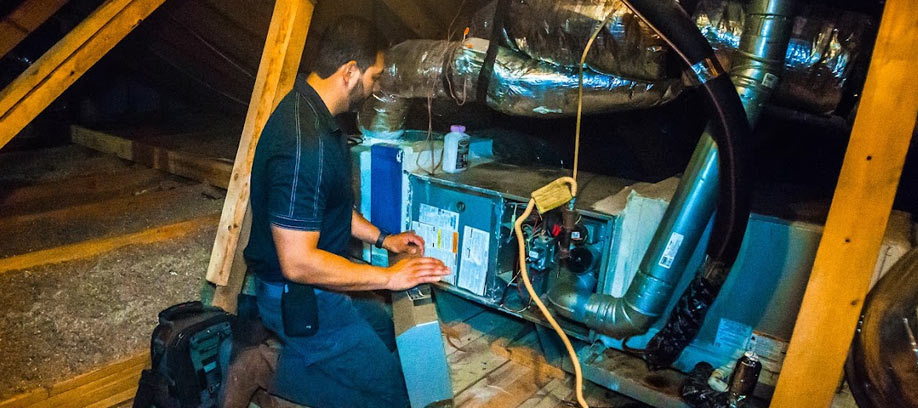
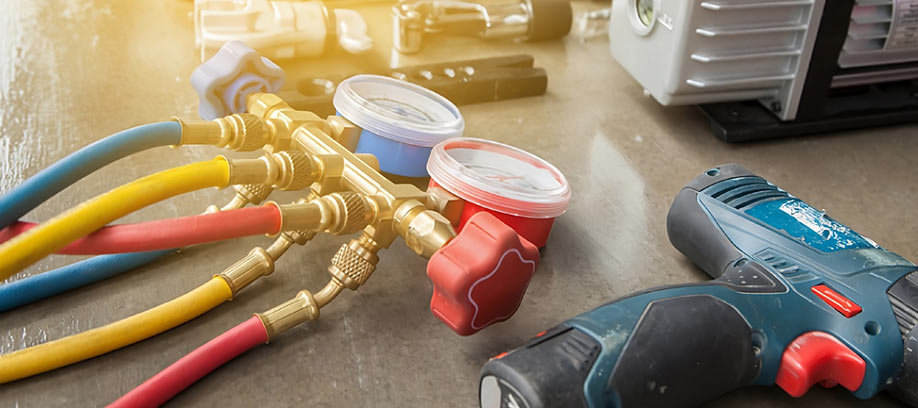
First thing any decent tech does is figure out what’s actually causing the problem. They’re using specialized tools and—if they’re experienced—years of pattern recognition to diagnose the real issue, whether that’s a thermostat acting weird, a refrigerant leak hiding somewhere, a failed capacitor, or honestly like ten other possibilities.
Proper diagnosis means no guesswork, which saves you money and prevents way bigger problems later. We’ve literally seen homeowners waste hundreds of dollars on wrong diagnoses from less experienced techs who just guessed at the problem. A good tech knows the difference between symptoms (AC not cooling) and root causes (could be low refrigerant, bad compressor, dirty coils, duct leaks, or seriously about ten other things). Experience matters huge here.
Preventive Maintenance and Cleaning (Where They Really Shine)
This is honestly where HVAC technicians earn their money. They’re cleaning coils that are caked with dust, replacing filters that probably should’ve been changed months ago, lubricating motors, checking all the electrical connections for corrosion or looseness, measuring refrigerant levels to make sure they’re spot-on, and verifying that airflow is smooth and steady throughout your system.
Regular maintenance doesn’t just keep your system running—it literally saves you from those complete nightmare moments when the heat waves hit in July or those surprise cold snaps arrive in January. Most pros recommend tune-ups at least once or twice yearly. In Houston where your AC is basically running from April straight through October? Definitely spring and fall, no question. Costs about 150-250 dollars per visit, which honestly beats the living hell out of a 2,000-dollar emergency compressor replacement in the middle of July.
Repairs and Part Replacement (The Actual Fixing)
When components actually break down—and they will eventually—technicians step in to repair or replace whatever’s failed. Could be anything from fixing a glitchy thermostat to swapping out an entire compressor. They’ve got the tools, the parts connections, and the know-how to get your system back online.
Electrical issues in particular can be seriously risky for homeowners to mess with. We’re talking 240-volt power here—that’s not something you want to DIY unless you really know what you’re doing. Common repairs run the gamut: capacitors cost 150-250 dollars, contactors are about 100-200 dollars, thermostats run 100-300 dollars, blower motors hit 400-600 dollars, and compressors? Those suckers cost anywhere from 1,200 to 2,500 dollars depending on your system. The price range is massive, which is exactly why proper diagnosis matters so much—you want to know what you’re actually paying to fix.
System Calibration and Optimization (The Fine-Tuning)
After they finish repairs, the job’s not done yet. Good techs spend time tweaking your system settings so temperatures stay consistent throughout your house, humidity stays comfortable (huge deal in Houston), and energy isn’t getting wasted on inefficient operation. An optimized HVAC system runs way smoother and costs noticeably less to operate month to month—real bonus during those brutal Texas summers that seem to last forever.
Common Issues HVAC Technicians Handle All the Time
- Dirty Filters: Airflow drops off a cliff, efficiency tanks, your bills start creeping up. Super simple to replace yourself but somehow people forget about them constantly.
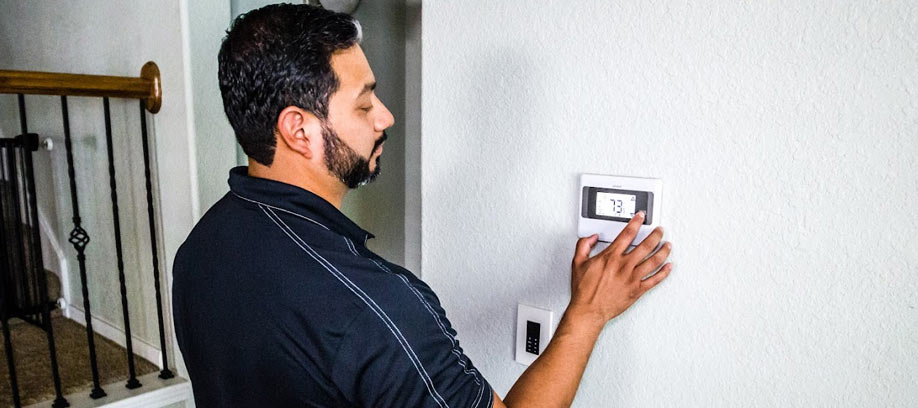
- Faulty Thermostats: These cause really weird cycling patterns or totally uneven temperatures room to room. Usually recalibration or just replacing the thing fixes it pretty quick.
- Dirty Coils: They absolutely murder your cooling performance and tank efficiency. Professional cleaning is basically essential—don’t skip this.
- Refrigerant Leaks: Can seriously damage your system if you ignore them long enough. You need professional leak detection and refill—this isn’t DIY territory.
- Electrical Issues: Faulty wiring or breaker problems are honestly dangerous without professional help. Just don’t mess with this stuff yourself—seriously.
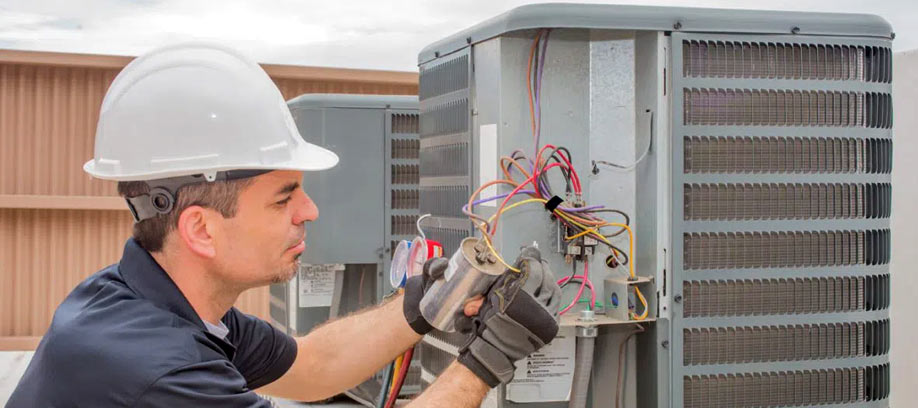
- Failed Capacitors: Probably the single most common problem techs see. Your system won’t start at all or it runs like garbage.
DIY vs Professional: What You Can Actually Handle Yourself
Sure, you can totally swap filters yourself or change thermostat batteries—that’s basic homeowner stuff. But here’s the thing: a certified technician brings way more to the table than just swapping parts. They ensure your system is safe, running efficiently, and properly optimized. They catch early warning signs you’d never notice in a million years—like a capacitor that’s starting to weaken, refrigerant running just slightly low, or weird airflow restrictions from dirty coils that aren’t visible from outside.
We’ve literally watched homeowners turn simple 300-dollar repairs into full-blown 2,000-dollar disasters by trying to DIY electrical work or mess with refrigerant without proper tools or certification. It’s just not worth the risk and hassle. Look, maintenance saves you money in the long run, period. Regular upkeep keeps your system completely out of crisis mode. Emergency repairs are way more expensive, super stressful, and incredibly inconvenient—especially when it’s 98 degrees outside in Houston during August.
What is Actually Happening in Houston HVAC Right Now
Smart thermostats are basically everywhere these days. Texans absolutely love them—they save legitimate money on bills and let you control your entire system from your phone when you’re not even home. Energy-efficient upgrades with high SEER-rated systems (we’re talking 18-20 SEER or higher) and newer eco-friendly refrigerants are cutting both bills and carbon footprint for people who care about that stuff.
There’s also this huge growing focus on indoor air quality happening all across The Heights, Memorial, Katy, Sugar Land, and Pearland. People are adding air filtration systems, UV lights that kill bacteria, and whole-home humidity control. After everyone spent so much time stuck inside during recent years, they’re way more aware of and concerned about what they’re actually breathing every day.
FAQ
How often should I actually service my HVAC system?
At least once or twice every year—ideally you’re scheduling before summer hits and again before winter (if you even use heat in Texas, which is debatable). In Houston where your AC literally runs nonstop for 6-8 months straight? Twice yearly is honestly mandatory, not optional. Spring tune-up before cooling season kicks in, fall check before heating season starts. Runs about 150-250 bucks per visit but it catches small problems super early and prevents those nightmare-level expensive emergency repairs that always seem to happen at the worst possible time.
Can I just fix my HVAC system myself?
Minor stuff like changing filters or swapping thermostat batteries? Sure, that’s totally safe DIY territory. But anything involving electricity, refrigerant, motors, compressors, or basically any actual mechanical work should always get handled by a properly licensed technician who knows what they’re doing. One stupid mistake with 240-volt power or pressurized refrigerant can be seriously dangerous and incredibly expensive to fix afterward. Just save yourself the potential headache, injury risk, and money disaster—call a pro.
How much does a typical HVAC repair actually cost?
Common repairs usually run anywhere from 150 to 600 dollars depending on what’s broken and which parts you need. Capacitors typically cost 150-250 dollars, thermostats run 100-300 dollars, blower motors hit 400-600 dollars, and compressors are the big ones at 1,200-2,500 dollars or more. Service call and basic diagnosis usually costs about 150-250 dollars just for them to show up and figure out what’s wrong, then you’re paying for the actual repair on top of that.
What are the warning signs my HVAC actually needs professional attention?
Watch out for these red flags: uneven temperatures from room to room (one room freezing, another room sweltering), strange noises like grinding or banging or high-pitched squealing, your energy bills jumping way up without any obvious change in usage, the system cycling on and off constantly, really weak airflow coming from your vents, or any kind of burning smell whatsoever. Any of these means you should probably call a tech pretty soon before the small annoying problem turns into an expensive catastrophic disaster.
How exactly do HVAC technicians improve energy efficiency?
By thoroughly cleaning all the components that get gunked up, making sure thermostats are calibrated correctly and reading temps accurately, finding and fixing refrigerant leaks that waste energy, properly sealing ductwork so you’re not cooling your attic, replacing worn parts before they completely fail and damage other stuff, and recommending smart upgrades to more efficient equipment when it makes financial sense. Honestly, a well-maintained system uses somewhere around 15-25 percent less energy than one that’s been neglected for years.
John Moore HVAC Services: Your Houston HVAC Experts
At John Moore HVAC Services, we’ve been taking care of Texas homes and businesses for over 50 years now. Our certified technicians aren’t just professional and reliable—they’re genuinely friendly people who actually care about keeping your home comfortable and safe all year long, whether that’s routine maintenance, emergency repairs at 2am, or complete system upgrades.
Don’t wait around for your HVAC to completely die during the absolute hottest week of summer or that random cold snap in January. Whether you’re located in The Heights, Memorial, Katy, Sugar Land, or Pearland, go ahead and schedule your service today. Let us keep your system running at peak performance so you never have to worry about it.