Fresh air is one of those things you don’t really notice when it’s working well — but you can absolutely feel it when it isn’t. If the air inside your home feels heavy, stale, or humid, your ventilation system probably isn’t doing its job. Here in Texas, that problem shows up even faster because we deal with long stretches of heat and humidity. Without the right airflow, moisture and indoor pollutants linger, and that can affect comfort, health, and even the condition of your home over time.
The good news is that improving ventilation doesn’t always mean tearing your house apart or installing expensive equipment. Sometimes it’s as simple as making sure air is circulating properly, sealing obvious leaks, or using the right ventilation systems in the right places. And when a bigger upgrade does make sense, there are options designed specifically for warm, humid climates like ours.
Snapshot: What Texas Homeowners Should Know
| Category | Details |
| Typical Cost to Improve Ventilation | $0–$2,500+ depending on the solution |
| Common Solutions | Exhaust fans, duct repair, ERVs, air sealing, dehumidifiers |
| Equipment Lifespan | 10–15 years for fans, 15–20 years for HVAC |
| Biggest Texas Concern | Humidity control and steady airflow |
Texas humidity speeds up moisture buildup — which is why proper airflow isn’t just a comfort feature. It’s a key part of home protection.
Why Ventilation Matters More in Texas Homes
Indoor air can actually be more polluted than outdoor air, especially in newer, tightly sealed homes. Cooking fumes, cleaning chemicals, pet dander, dust, and everyday household pollutants all hang around longer without good airflow. Add Texas humidity to the mix, and now you’ve got moisture sitting around too — and that’s when mold, mildew, and that musty smell start creeping in.
Poor ventilation doesn’t always show up as a dramatic problem. Sometimes it’s just a lingering odor, a room that never quite cools, or windows fogging on humid mornings. Those little signs are clues that air isn’t moving the way it should.
Common Signs of Poor Ventilation
- Condensation or fogging on windows
- Musty or stale odors
- Visible mold or mildew
- Heavy, humid indoor air
- Fatigue, headaches, or breathing irritation at home
- Stuffy rooms even when AC is running
- Higher-than-normal indoor humidity
If you’re checking off several of these, you probably don’t have enough fresh air exchange inside your home.
Why Some Texas Homes Have More Problems Than Others
Older homes sometimes breathe a little too much — air leaks in and out freely. That isn’t great for efficiency, but it does mean stale air doesn’t always sit around. Newer homes, however, are built much tighter to save on energy costs. That’s great for your electric bill, but not so great for ventilation unless it’s designed into the system.
Then there’s humidity. When warm, moist air doesn’t get vented properly, it tends to settle in closets, bathrooms, laundry rooms, and low‑circulation spaces. Over time, that moisture can damage finishes, cause odors, and create the perfect environment for mold growth.
Practical Ways to Improve Home Ventilation
You don’t have to overhaul your home to see real improvement. Start simple and work your way up as needed.
- Open windows when weather allows — even 10–15 minutes helps refresh indoor air.
- Use bathroom and kitchen exhaust fans to remove moisture and fumes at the source.
- Run your HVAC fan occasionally to keep air moving through the home.
- Keep your home tidy and dust‑free so pollutants don’t constantly recirculate.
- Control indoor humidity using dehumidifiers or properly‑sized ventilation equipment.
- Make sure vents and returns aren’t blocked by furniture, boxes, or décor.
If you try the simple things and still notice moisture or stale air, it may be time to look at mechanical ventilation.
Mechanical Ventilation Options
Some homes — especially newer, energy‑efficient builds — need balanced ventilation systems that intentionally bring in fresh air while exhausting stale air. Energy Recovery Ventilators (ERVs) and Heat Recovery Ventilators (HRVs) do exactly that. ERVs work especially well in Texas because they also help control humidity while exchanging air.
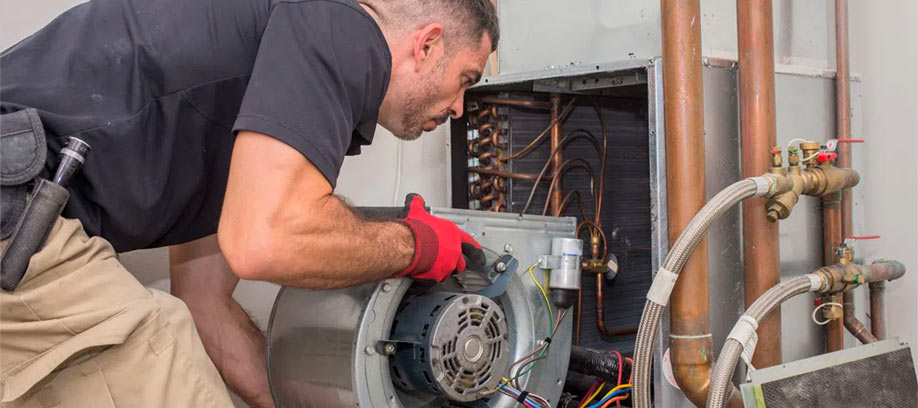
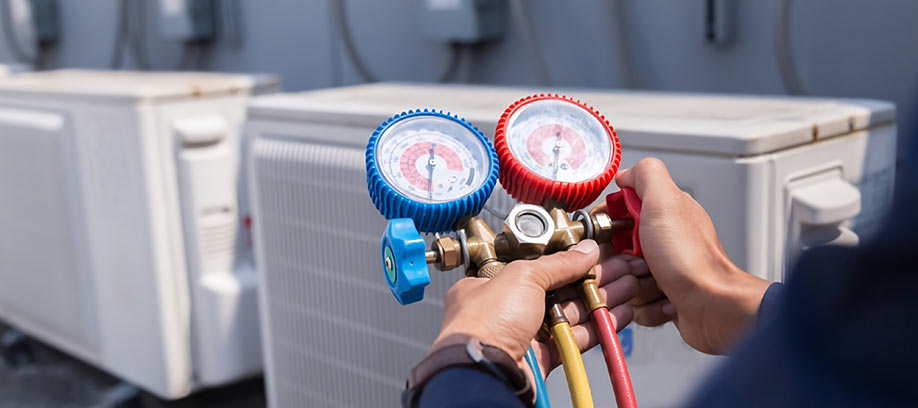
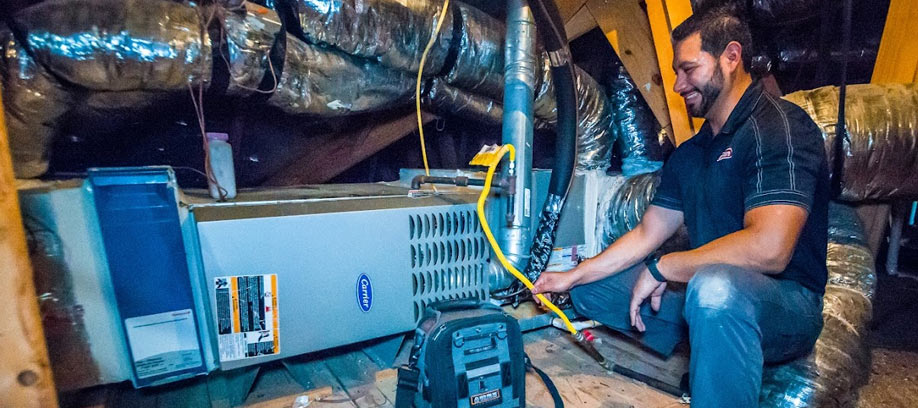
In other homes, duct repairs, attic ventilation adjustments, or HVAC system balancing may be all that’s needed to restore proper airflow. A professional airflow test can identify pressure issues, leaks, and bottlenecks inside the system.
Ventilation vs. Filtration vs. Humidity Control
Ventilation is just one piece of the indoor‑air‑quality puzzle. Filtration removes dust and allergens. Dehumidification keeps moisture under control. When all three are working together, your home feels cleaner, lighter, and more comfortable — without that sticky Texas‑summer feeling.
Key Factors That Affect Performance and Cost
- Age and design of the home
- Climate and seasonal humidity swings
- Duct condition and sealing quality
- Attic ventilation and insulation levels
- Existing HVAC performance and sizing
- Window type and how well the home is sealed
Each home is different — which is why ventilation upgrades range from completely free fixes to full system installations.
A Simple Step‑By‑Step Plan to Improve Airflow
- Identify symptoms like moisture, odors, or heavy air.
- Check and replace HVAC filters every 30–90 days.
- Use bathroom and kitchen exhaust fans during and after use.
- Open windows briefly when weather allows to refresh air.
- Reduce humidity with ventilation or dehumidification equipment.
- Schedule HVAC maintenance and airflow testing if issues persist.
- Consider a mechanical ventilation upgrade for long‑term control.
Current Ventilation Trends in Texas Homes
More Texas homeowners are upgrading to balanced ventilation, smart fans, and higher‑efficiency filtration systems. Awareness around indoor air quality has grown — especially in warm, humid regions where moisture is always in the background. Instead of just cooling air, homeowners are now focusing on improving the quality of the air they breathe every day.
FAQs
How do I know if my home needs better ventilation?
If you notice persistent humidity, musty odors, window condensation, or rooms that always feel stuffy, your home likely needs better airflow. Headaches or worsening allergies at home can also be clues. A ventilation or HVAC professional can test airflow and humidity levels to confirm what’s going on.
Can better ventilation help with allergies?
Yes. Good ventilation reduces allergen buildup and works even better when combined with high‑quality filtration. By removing stale air and replacing it with filtered fresh air, you reduce exposure to dust, dander, and airborne irritants.
Should I run my HVAC fan continuously?
Running the fan can improve airflow, but it may slightly increase energy use. Many homeowners choose periodic fan cycling or use smart thermostats that circulate air on a schedule to balance airflow and efficiency.
What’s the best ventilation system for humid Texas climates?
Energy Recovery Ventilators (ERVs) are usually the best fit because they exchange indoor and outdoor air while helping control moisture. This keeps humidity more stable — which makes your home feel more comfortable year‑round.
How often should HVAC systems be maintained to support ventilation?
At least twice a year — once before cooling season and once before heating season. Maintenance keeps airflow strong, identifies duct or equipment issues early, and helps avoid ventilation‑related comfort problems.
Improve Your Home’s Airflow With John Moore HVAC Services
For more than 50 years, John Moore HVAC Services has helped Texas homeowners improve indoor air quality, ventilation, and comfort. Whether you need a simple tune‑up, duct repair, or a whole‑home ventilation upgrade, our licensed technicians can help you find the right solution for your home and climate — so the air inside feels as fresh and comfortable as it should.