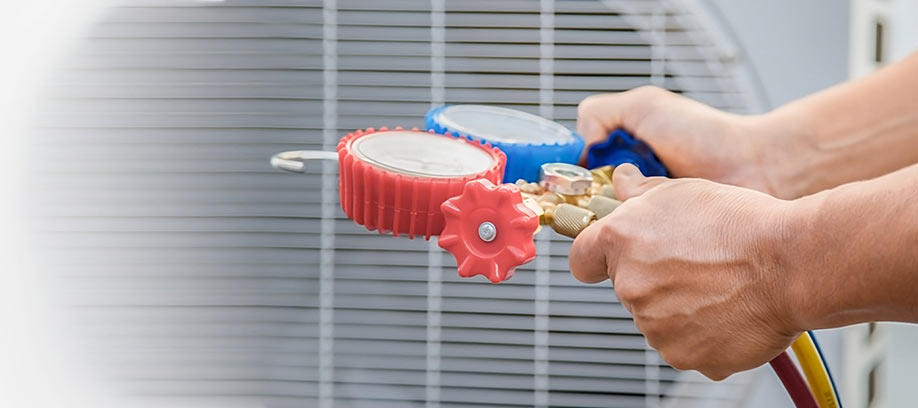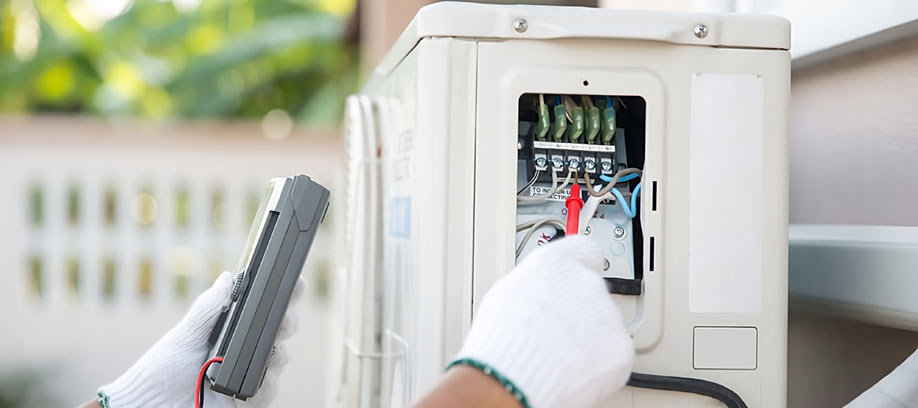
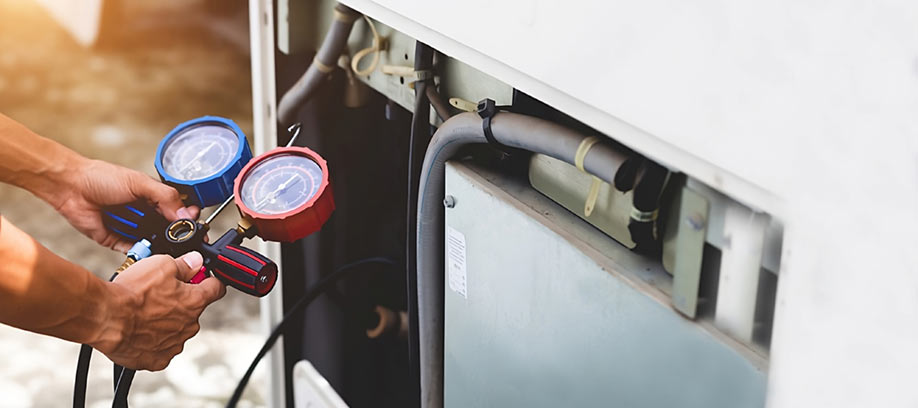
When your AC suddenly stops cooling in the middle of a Texas summer, it’s never at a convenient time. The house heats up fast, tempers get short, and everyone starts asking the same question — how much is this going to cost? The reality is that most AC repairs in Texas fall somewhere between $100 and $610, with the national average cost sitting around $370. The exact number depends on what failed, the type of AC system you have, how old it is, and how much labor is involved in diagnosing and fixing the issue.
One thing that makes AC repair pricing feel confusing is that no two systems fail in exactly the same way. Some repairs are quick and simple. Others take time, parts, and careful troubleshooting. When you add in Texas heat, long system run times, and humidity — HVAC systems in this state work harder than they do in most places. So understanding what actually affects AC repair cost helps you make smarter decisions and avoid unpleasant surprises.
In Texas, your AC system isn’t just a comfort feature. It’s something your family depends on. So if something goes wrong, you want answers quickly and honestly — not vague estimates or confusing technical terms. Let’s break down what you can realistically expect to pay and why.
Snapshot: AC Repair Costs & System Lifespan
| Factor | Typical Cost or Insight |
| National average repair cost | $370 |
| Typical repair range | $100–$610+ |
| Window / portable AC repairs | $50–$250 |
| Central AC repairs | $100–$500+ |
| Average AC lifespan | 5–15 years depending on environment and maintenance |
| Texas-specific factor | Long hot seasons increase wear and tear |
These numbers won’t match every single repair, but they do represent what most homeowners in Texas experience. The hotter the climate, the harder AC systems work — and the more likely parts are to eventually wear out.
What Really Affects AC Repair Cost?
The number one factor that affects AC repair pricing is the type of repair being done. A simple thermostat replacement or clogged drain line cleanup may be fairly inexpensive. On the other hand, repairing a blower motor, compressor, control board, or refrigerant leak typically costs more. The more time, expertise, and parts the job requires, the higher the final invoice will be.
The second major pricing factor is the type of AC unit you own. Window and portable units are simpler machines. They require fewer parts and less labor, which is why repairs often fall in the $50–$250 range. Central AC systems, however, are larger, more complex, and permanently installed. Diagnosing and repairing them takes more training and time — so repairs normally start around $100 and can climb from there.
System age also plays a major role. As AC units get older, parts become harder to find. Worn parts also tend to fail more frequently — meaning that once one thing goes, another may not be far behind. If your system is 10–15 years old and major repairs are needed, a technician may recommend comparing the cost of repair versus replacement so you don’t keep pouring money into failing equipment.
Brand can matter, too. Some manufacturers design systems that require proprietary parts, specialty tools, or factory‑certified training. That isn’t always a bad thing — it just means repairs on those brands may sometimes cost more. A good contractor will be upfront about this before starting the work.
How to Plan for AC Repairs Without Stress
- Make a note of what the AC is doing — is the air warm, weak, noisy, or totally off?
- Schedule service with a licensed HVAC contractor.
- Ask for a clear explanation of the issue in simple language.
- If the repair is expensive, compare quotes — but avoid choosing purely on price.
- Consider system age when deciding on major repairs.
- Schedule repairs promptly — Texas heat doesn’t wait.
Most Texas homeowners are surprised to learn that many AC repairs are fairly manageable — and not every issue means you need a new system. Information is your best tool for making smart decisions.
Repair vs. Replacement — When Do You Decide?
Repairing your AC is normally cheaper in the short term. But if your system is older, inefficient, or breaking frequently, replacement may actually save money over time. Newer units run quieter, use less electricity, and cool more effectively — which matters when you’re fighting Texas heat for eight or nine months a year. A good HVAC company won’t pressure you. They’ll walk you through the pros and cons honestly so you feel good about the decision.
Texas Trends & Local Insight
Across Texas — especially around Houston — more homeowners are upgrading to high‑efficiency AC systems and smart thermostats. Preventive maintenance plans are also becoming popular because they help catch small issues before they turn into expensive repairs. The sooner you address AC problems, the better your chances of keeping costs low.
FAQs
Can I repair an older AC instead of replacing it?
Yes — many older AC units can still be repaired safely as long as parts are available and the repair cost makes sense. Once repair costs begin to climb or the unit becomes unreliable, replacement usually becomes the smarter financial decision. A licensed HVAC technician can help you compare both options clearly so you don’t feel pressured either way.
Are window AC repairs cheaper than central AC repairs?
Yes — window and portable AC systems are normally cheaper to repair because they are simpler machines with fewer parts. Central AC systems involve more complex components, electrical parts, and ductwork, which increases labor time and repair cost. Still, central systems provide whole‑home comfort — which is why most Texas homes rely on them.
Does the brand of AC really affect repair cost?
Yes — some brands use proprietary parts or require factory‑trained service, which can increase repair cost. Other brands may be easier to service but require repairs more often. A qualified technician can give you realistic expectations so you aren’t surprised later.
Can regular AC maintenance reduce repair costs?
Absolutely. Routine maintenance helps reduce wear, keeps components clean, and allows technicians to catch small issues before they snowball into major repairs. Something as simple as replacing filters regularly can prevent airflow problems, overheated parts, and system strain — which all lead to breakdowns.
When should I start considering a system replacement?
Most homeowners begin considering replacement when the AC is between 10 and 15 years old, especially if major repairs are needed. If repair costs begin to approach half the price of a new unit, replacement often makes more financial sense. Energy efficiency, comfort, and reliability all factor into the decision.
Why Texas Homeowners Trust John Moore HVAC Services
At John Moore HVAC Services, we believe homeowners deserve honest answers, dependable work, and fair pricing. Our licensed technicians have repaired just about every type of AC system out there — from small electrical issues to major cooling failures. We take the time to explain your options so you can make the right decision for your home, your comfort, and your budget — especially when Texas heat is at its worst.