When your HVAC system suddenly stops working in Texas, it usually isn’t on a mild day. It’s during a heat wave or a cold snap, when you actually need it the most. That’s when the house starts warming up fast, tempers get short, and you begin wondering whether you’re looking at a quick fix or a major repair. Emergency HVAC repair is simply getting help as soon as possible so your home doesn’t become uncomfortable — or unsafe — while the system is down.
Texas weather can be unpredictable. One week you’re running the heater. The next week you’re back to air conditioning. Those quick swings put stress on HVAC equipment, and sometimes that stress shows up as a sudden failure. Knowing what actually counts as an emergency, what you should do first, and how to choose the right company can take a lot of the panic out of the situation.
Snapshot: Emergency HVAC Repair in Texas
| Category | Details |
| Average Emergency Repair Cost | $250–$900+ depending on time, parts, and system type |
| Most Common Issues | System not cooling/heating, electrical failures, refrigerant leaks, burning odors |
| Typical HVAC Lifespan | 12–18 years with regular maintenance |
| Local Texas Insight | High heat and humidity wear down capacitors, compressors, blower motors, and drains |
| Typical Response Time | 1–4 hours for true emergency calls |
Not every HVAC issue needs a middle‑of‑the‑night visit, but some absolutely do — especially when heat or cold becomes a safety concern.
What Counts as an HVAC Emergency?
Plenty of HVAC problems can wait until normal business hours. But some situations really shouldn’t. Here are a few that usually qualify as true emergencies.
1. No Heating or No Cooling at All
If the system stops producing warm or cool air completely, your home temperature can change fast. In Texas summers, indoor temperatures can climb into unsafe territory in just a few hours — especially for kids, seniors, and pets. Causes range from frozen coils to failed thermostats, failed compressors, clogged filters, or electrical issues.
2. Loud or Unusual Noises
Grinding, banging, squealing, or rattling sounds aren’t normal. They often point to loose parts, failing blower motors, worn bearings, or broken belts. Running the system while it’s making those noises can turn a small repair into a big one, so it’s usually best to shut it down and call for help.
3. Burning or Chemical Smells
Strong odors deserve immediate attention. A burnt‑wiring smell can point to an electrical short. A musty smell may be tied to moisture problems. And a rotten‑egg smell can indicate a natural gas leak — which means you should leave the home right away and call emergency services. Either way, don’t ignore persistent odors.
4. Rapid On‑and‑Off Cycling
If your system turns on and off over and over again, it may be overheating or struggling to start. That constant stop‑start cycle can seriously damage the compressor if it isn’t corrected quickly.
5. Water or Refrigerant Leaks
Refrigerant leaks reduce cooling ability and can damage the compressor. Water leaks from indoor units can damage floors, ceilings, and drywall. Both are worth addressing quickly before they turn into larger repair bills.
How To Choose a Reliable Emergency HVAC Repair Company
When your system is down and the house is getting uncomfortable, it’s tempting to call the first number you find. But a few quick checks can help you avoid headaches later.
- Make sure they truly offer 24/7 service — not just an answering machine.
- Verify they are licensed and insured in Texas.
- Choose a company with experience handling emergency HVAC repairs.
- Look for clear, upfront pricing — especially for after‑hours visits.
- Check reviews and reputation so you know who is coming into your home.
Emergency calls move quickly — so you want a technician who can diagnose issues fast and carry the common parts needed to fix them.
What a Technician Typically Checks During an Emergency Visit
Every home and system is different, but most emergency visits follow a similar pattern. The technician’s first priority is safety — then restoring heating or cooling as quickly as possible.
- Checking electrical safety, gas lines, and ventilation
- Inspecting the thermostat and system controls
- Checking filters and airflow restrictions
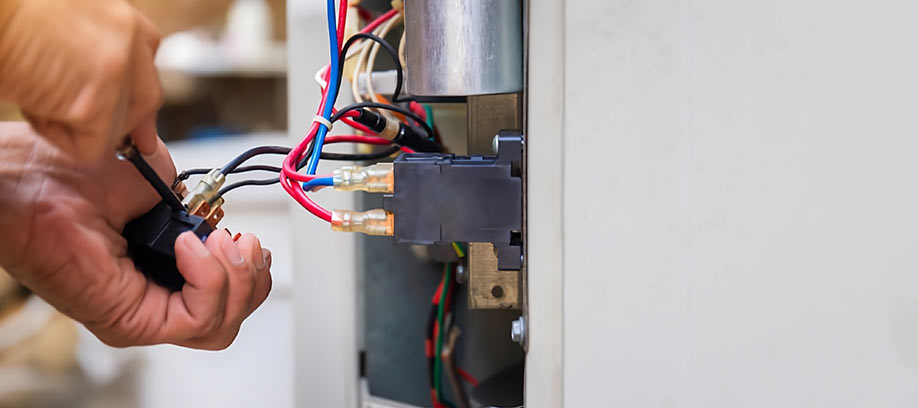
- Testing electrical components such as capacitors and contactors
- Inspecting motors, fans, belts, and moving parts
- Checking refrigerant levels and looking for leaks
- Inspecting drains and moisture control
Once the system is running again, they may also recommend long‑term repairs or maintenance to prevent repeat breakdowns.
What Affects the Cost of Emergency HVAC Repairs?
Emergency HVAC repair usually costs more than a standard weekday appointment. Here’s what typically drives the price.
- Time of day — evenings, weekends, and holidays cost more
- System type — heat pumps, gas furnaces, and advanced systems vary
- Problem complexity — simple capacitor vs. full motor replacement
- Age of the system — older equipment often needs harder‑to‑find parts
- Weather conditions — extreme heat increases demand and wear
A straightforward repair may only take an hour. More complicated problems can require multiple tests or specialty parts — which adds to the cost.
Step‑By‑Step: What To Do When Your HVAC Stops Working
Before you panic, run through a few simple checks. You may solve the problem — or at least help your technician diagnose it faster.
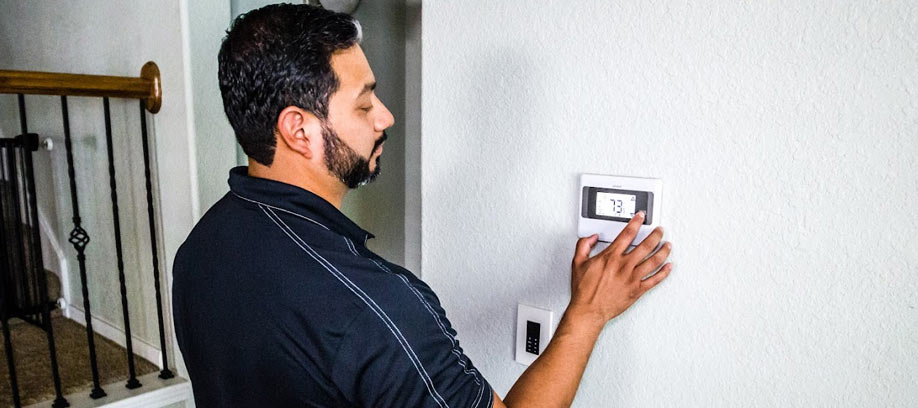
- Check the thermostat settings and replace batteries if needed.
- Check your breaker panel for a tripped breaker.
- Inspect your air filter — if it’s clogged, replace it.
- Listen and smell for anything unusual so you can describe it clearly.
- Call a licensed HVAC technician if the system still won’t run.
- If you smell gas or burning, turn the system off and stay safe while you wait.
If indoor temperatures are rising quickly, try to keep blinds closed and limit stove or oven use until help arrives.
FAQs
How fast can an HVAC company respond to an emergency?
Most companies can respond within a few hours, depending on call volume and time of day. During major heat waves, response times may stretch a little, but true emergencies are usually prioritized. Having a reputable, local company saved in your phone ahead of time can speed things up.
Is emergency HVAC repair more expensive?
Yes. After‑hours, weekend, and holiday calls often include an additional fee because technicians are responding outside normal work hours. Even so, fast repairs can prevent major system damage or unsafe indoor temperatures — which usually makes the extra cost worth it.
Can I run my HVAC system if it’s making loud noises?
It’s best not to. Loud banging, grinding, or squealing often means a part is failing. Continuing to run the system can cause much bigger — and more expensive — damage, especially to motors and compressors.
What is the most common emergency HVAC repair?
Capacitor and motor failures are extremely common during Texas summers because systems work so hard in the heat. Electrical failures and drain issues also appear frequently during high‑humidity months.
How can I prevent emergency HVAC repairs?
Regular maintenance, timely filter changes, and yearly tune‑ups go a long way toward preventing sudden breakdowns. Catching small issues early is always cheaper than waiting until the system quits completely.
Why Texas Homeowners Trust John Moore HVAC Services
For decades, families across Texas have relied on John Moore HVAC Services for fast, dependable emergency repairs. Our licensed technicians are available when you need them, trained to diagnose problems quickly, and equipped with the parts and tools needed to get your home comfortable again — day or night. If your HVAC system quits unexpectedly, we’re ready to help.