At a glance, commercial and residential ventilation might look similar — air comes in, air goes out, and the system helps keep things comfortable. But the real difference is how much air each system has to move, and how often it has to do it. A home system is built for a family and a predictable living space. A commercial building, on the other hand, may be cooling offices, restaurants, shops, or even medical suites — sometimes all inside the same structure. Because of that, the equipment, ductwork, controls, and electrical needs are on a completely different level.
Snapshot: What Homeowners and Building Managers Should Know
| Category | Residential Ventilation | Commercial Ventilation |
| Typical Lifespan | 12–17 years | 15–20 years with routine maintenance |
| Installed Cost (TX region) | $6,500–$15,000 | $15,000–$50,000+ depending on building size |
| Cooling Capacity | 2–5 tons | 10–50+ tons |
| Energy Use | Standard home electrical service | Higher voltage, continuous duty cycles |
| Maintenance Frequency | Twice yearly | Quarterly or monthly depending on use |
| Common Placement | Side yard, backyard, attic | Rooftop, mechanical rooms, fenced equipment yards |
| Zoning Ability | Limited (1–3 zones) | Extensive zoning for floors and departments |
| Texas Climate Impact | High summer load | Very high cooling demand due to footprint and occupancy |
Understanding the Real Difference Between Commercial and Residential Ventilation
Both types of systems move and filter air, help control humidity, and keep indoor spaces livable — but they’re built for very different environments. A residential HVAC system is designed with comfort and quiet operation in mind. Commercial systems have to perform under heavier workloads, across large spaces, and for longer stretches of time. The best way to think about it is this: a home system is like a family SUV, while a commercial system is closer to a city bus. Both do the job, but one is designed to carry a lot more weight day after day.
1. System Size and Cooling Capacity
Most residential HVAC systems fall somewhere between 2 and 5 tons of cooling capacity. In commercial settings, that number climbs quickly. A single office floor, restaurant, or retail space can require 10 tons or more — and larger buildings may rely on multiple high‑capacity units working together. Heat from people, lighting, computers, and cooking equipment adds up fast, so the ventilation system has to be sized to keep up without constantly struggling.
2. Placement and System Layout
Residential Placement
In most homes, the outdoor HVAC equipment sits along the side yard or backyard, and the indoor components are tucked into the attic, closet, or garage. This setup keeps everything accessible but out of the way, so it doesn’t take over your living space or yard.
Commercial Placement
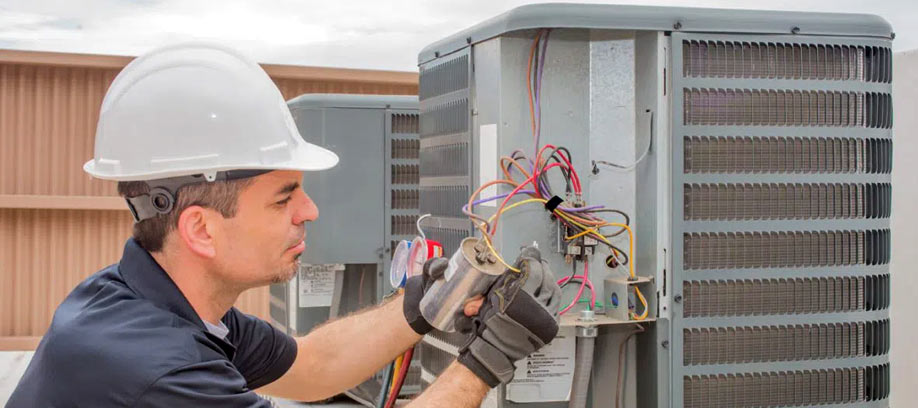
Commercial HVAC systems are usually installed on rooftops or in secure mechanical rooms. Placing equipment on the roof frees up ground space, keeps noise out of work areas, and gives technicians a clear, safe space to perform maintenance. Many buildings rely on several rooftop units linked together so that different areas of the building receive the airflow they need.
3. Installation Complexity
Installing a residential HVAC system is typically a straightforward process. Commercial HVAC installation is more like a construction project in itself. Engineers and technicians design ductwork routes, calculate airflow needs, coordinate electrical service requirements, and sometimes reinforce structural areas to support the weight of rooftop units. Larger systems also connect to building‑wide control systems, which adds another layer of planning and setup.
4. Zoning and Controls
Most houses run on a single thermostat — maybe a few zones in a larger home. Commercial ventilation almost always uses zoning. A conference room full of people warms up faster than a hallway or storage room, so those spaces need separate temperature and airflow control. Smart building controls help balance comfort while reducing wasted energy when areas of the building aren’t in use.
5. Maintenance Requirements
Home HVAC systems typically need seasonal tune‑ups and filter changes. Commercial systems operate longer hours, move more air, and rely on higher‑capacity components. That means filters clog faster and coils accumulate dirt more quickly. Routine maintenance is essential not only for comfort, but also for safety, energy control, and equipment reliability — which is why trained technicians handle these systems.
Key Factors That Affect Ventilation Performance and Cost
- Building size and layout
- Insulation levels and window quality
- Texas heat and humidity conditions
- Air quality and filtration needs
- Energy‑efficiency standards
- Electrical and structural requirements
- Zoning and ventilation design
- Daily occupancy levels and operating hours
Step‑by‑Step Plan for Choosing the Right Ventilation System
- Think about how your space is used — how many people are inside, and for how long
- Have a professional perform a full HVAC evaluation and load calculation
- Compare efficiency options to balance upfront cost and long‑term savings
- Consider whether zoning or smart controls will benefit your space
- Plan for routine maintenance access — especially on rooftops or tight spaces
- Choose an experienced HVAC company that understands your type of building
Current Trends and Texas Outlook
Across Texas, ventilation systems continue to shift toward smarter controls and better energy performance. Many commercial properties now use systems that adjust airflow based on how many people are in the space at any given time. Homes are also upgrading to smarter thermostats, improved filtration, and higher‑efficiency HVAC technology. With long cooling seasons and increasing humidity, a well‑designed ventilation system isn’t just a nice‑to‑have — it plays a big role in year‑round comfort.
FAQs
Are commercial HVAC systems more expensive to maintain?
Yes. Commercial HVAC systems are larger, more powerful, and operate for longer periods of time than a typical home system. They also rely on more complex controls and high‑capacity parts, which must be serviced by trained commercial technicians. Skipping maintenance can lead to costly breakdowns — and downtime in a commercial setting can quickly affect business operations.
Do residential systems ever need zoning like commercial systems?
They can. Larger homes or multi‑story floor plans sometimes develop hot and cold spots, especially during long Texas summers. Zoning allows different areas of the home to run at slightly different temperatures, which improves overall comfort. Many homeowners also notice lower energy use because the system doesn’t have to overwork to balance the entire home from one thermostat.
Why are commercial HVAC units usually installed on rooftops?
Placing HVAC systems on rooftops keeps the equipment out of public areas, reduces indoor noise, and protects the unit from accidental damage. It also allows technicians to service the system without disrupting employees or customers inside the building. Rooftop placement makes it easier to expand or connect multiple units as the building’s needs grow over time.
Can commercial‑grade filters be used in a home HVAC system?
In most cases, no. Commercial‑grade filters are designed for high‑capacity systems and can restrict airflow too much in a standard home unit. Reduced airflow can put unnecessary strain on the blower motor and other components. If cleaner air is a priority, a homeowner is better off discussing upgraded residential‑appropriate filtration with a licensed HVAC professional.
How often should ventilation systems be serviced in Texas?
Because HVAC systems in Texas work through long, hot summers — and often year‑round — regular service is important. Most homeowners should schedule maintenance twice per year to keep efficiency and airflow where they should be. Commercial building systems may need service quarterly or even monthly depending on how heavily they are used. Staying ahead of maintenance is the easiest way to prevent breakdowns during peak heat.
John Moore HVAC Services — Serving Homes and Businesses Across Texas
Whether you’re upgrading a residential HVAC system or managing a large commercial property, John Moore HVAC Services provides expert installation, routine maintenance, and reliable repair solutions throughout the Houston area. Our licensed technicians understand the day‑to‑day differences between residential and commercial ventilation — and we work with you to build a plan that supports comfort, air quality, and long‑term system performance.