Your AC condenser is the outdoor unit that sits beside your home. It may not look like much, but it does one of the most important jobs in your entire HVAC system — it releases heat from your home into the outdoor air. When the condenser struggles, the whole system struggles. And here in Texas, where AC units run for months at a time, condenser problems can show up fast — especially during peak summer heat.
Snapshot: What Homeowners in TX Should Know
| Category | Details for Texas Homeowners |
| Typical Condenser Lifespan | 10–15 years in Texas climate |
| Average Repair Cost | $150–$900 depending on issue |
| Most Common Problems | Blocked airflow, dirty coils, bent fins, fan failures, refrigerant leaks |
| Local Heat Impact | High summer temperatures increase strain and speed up wear |
| Best Prevention | Annual maintenance, seasonal coil cleaning, and keeping unit clear of debris |
How Your AC Condenser Actually Works
Inside your home, the evaporator coil pulls heat out of the air. That heat is carried outside through refrigerant lines. The condenser’s job is to push that heat outdoors and release it. The fan helps move air across the condenser coil so the refrigerant can cool down again.
When any part of this process slows down — whether from dirt, damage, blocked airflow, or low refrigerant — the rest of your system feels it. Cooling efficiency drops, your AC runs longer, and eventually, safety switches may shut the system down completely.
Below are the most common condenser issues Texas homeowners face, what they look like, and what to do about them.
1. Blocked or Restricted Airflow
Restricted airflow is one of the most common causes of overheating condensers. The condenser needs plenty of open space to ‘breathe,’ but in many Texas yards the unit ends up surrounded by landscaping, fencing, or storage. Grass clippings, toys, and leaves can also pack into the coil.
When airflow is blocked, heat builds up inside the condenser and the AC struggles to keep your home cool. The system runs longer, your energy bill rises, and parts wear out faster.
What you might notice:
- Warm or uneven cooling
- AC running constantly
- The outdoor unit feels extremely hot to the touch
Simple homeowner fix: keep 2–3 feet of space clear around the unit. Trim shrubs, remove clutter, and avoid storing items against the condenser. A garden hose rinse from top to bottom can also help remove loose debris.
2. Bent or Damaged Condenser Fins
Those thin aluminum fins wrapped around the unit are there for a reason — they help release heat. Unfortunately, they bend easily. A bump from a mower, a tossed football, or Texas hail can flatten sections of the fins. When that happens, heat can’t escape properly.
Signs of bent fins include:
- Reduced cooling performance
- Higher electricity bills
- Louder-than-usual condenser noise
Minor bends can often be fixed with a fin comb. But when large sections are crushed, a professional should handle repairs so the coil doesn’t get punctured — because that leads to leaks.
3. Dirty or Clogged Coils
Texas pollen, dust, cottonwood fluff, and lawn debris love condenser coils. Over time, they cake onto the fins and trap heat. Your system then has to work overtime to push heat out, which drives up energy costs and strain on the compressor.
What homeowners can safely do:
- Turn the AC off
- Gently rinse the outside coil with a garden hose from top to bottom
- Clear debris by hand — not sharp tools
Call a pro if you see corrosion, oily residue, or heavy buildup. Refrigerant leaks and deep cleaning require training and the right tools.
4. AC Fan Problems
If the condenser fan stops working, heat has nowhere to go — so the system either overheats or shuts down. Many modern AC systems will intentionally shut off when the fan fails to prevent major damage.
Common causes include motor failure, capacitor failure, bent fan blades, or electrical issues.
Warning signs:
- Unit hums but fan doesn’t spin
- Burning or hot smell
- System cycles quickly on and off
- Air blowing warm indoors
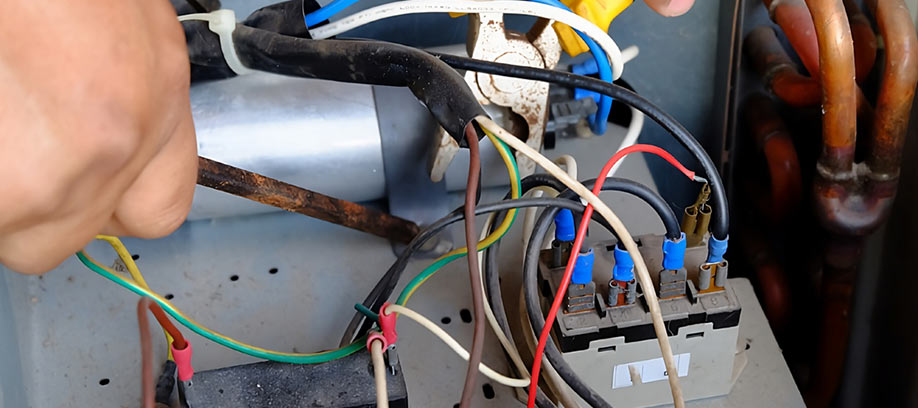
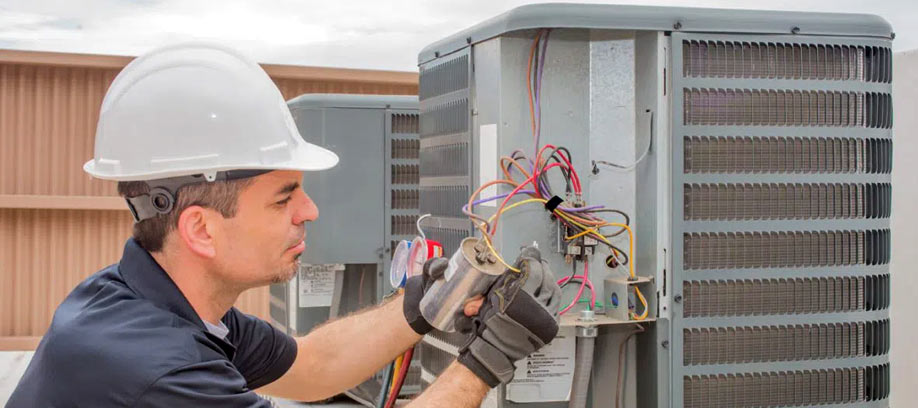
Fan repairs almost always require a licensed HVAC technician. Electrical troubleshooting and motor replacement aren’t safe DIY projects.
5. Refrigerant Leaks
Low refrigerant isn’t just a cooling problem — it can destroy the compressor if ignored. In extreme Texas heat, your compressor already works hard. With low refrigerant, it has to run even longer and hotter, increasing the chance of failure.
Signs you might have a refrigerant leak:
- Ice forming on refrigerant lines
- AC struggles most during midday heat
- Noticeable spike in your electricity bill
- Hissing or bubbling near refrigerant lines
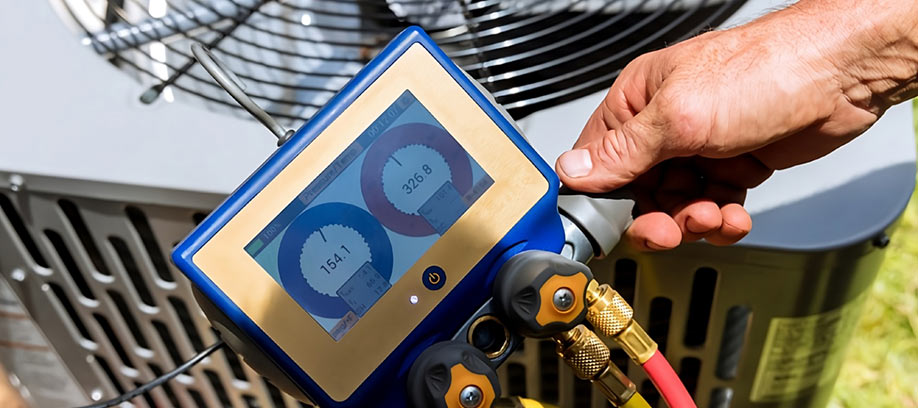
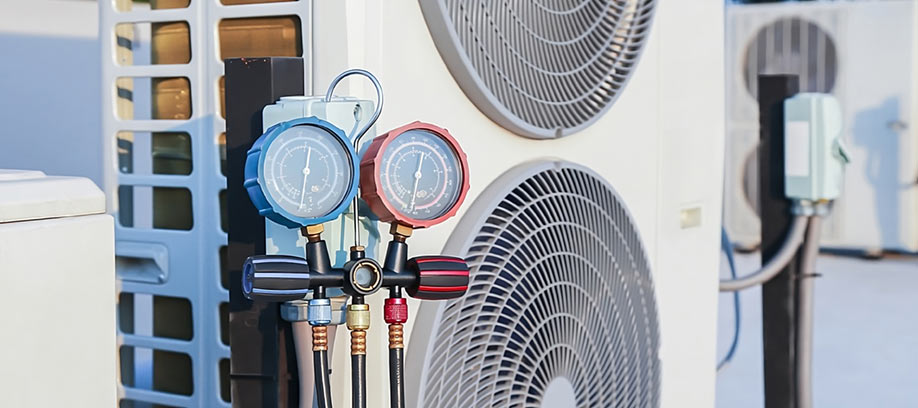
Refrigerant handling legally requires EPA certification. This is not a DIY repair — leaks must be located, sealed properly, and recharged by a trained HVAC technician.
Condenser Problems vs. Indoor AC Problems
Indoor AC problems — like clogged filters or thermostat issues — often affect airflow or comfort. Condenser problems, on the other hand, directly affect your system’s ability to remove heat. That’s why condenser problems usually lead to faster overheating or complete shutdowns.
If your system is blowing warm air, shutting down repeatedly, or constantly running without cooling the home, the condenser is often where the issue starts.
What Affects AC Condenser Repair Costs?
Repair costs vary depending on the type of problem, the system’s age, and seasonal demand. Older units may require parts that are harder to source, and systems using discontinued refrigerants may cost more to service.
In general, repairs in the Houston area typically range between $150 and $900 — but compressor or major component replacements can cost more. At that point, some homeowners choose to replace the system rather than invest heavily in an older unit.
A Practical Step-by-Step Plan for Homeowners
- Step 1: Clear airflow around the condenser and gently rinse the coil
- Step 2: Check for obvious damage or a non-spinning fan
- Step 3: Turn the system off if you hear grinding, buzzing, or burning smells
- Step 4: Avoid DIY electrical or refrigerant work — it’s unsafe and often illegal
- Step 5: Schedule a licensed HVAC inspection to prevent further damage
Catching these problems early can save you from replacing expensive components later.
FAQs
How often should I clean my AC condenser?
Most Texas homes benefit from at least one condenser cleaning per year — often during spring. If you live in a dusty or high‑pollen area, a mid‑season rinse may also help keep performance strong.
Can I run my AC with a broken condenser fan?
No. Running the system without a working condenser fan can quickly overheat and damage the compressor. Turn the system off and call a professional if the fan stops.
What is the most expensive condenser repair?
Compressor replacement is typically the most expensive repair. Because of the cost involved, many homeowners choose to replace the entire outdoor unit — or the full system — instead of replacing only the compressor.
Why does my AC run nonstop but my home still feels warm?
This often means the condenser is struggling to release heat. Dirty coils, low refrigerant, airflow blockages, or weak fan performance are common causes — especially in hot climates like Texas.
How do I prevent condenser problems?
The best prevention includes seasonal coil cleaning, keeping vegetation trimmed back, replacing air filters regularly, and scheduling professional HVAC maintenance once a year. These simple habits reduce strain and extend system life.
John Moore HVAC Services Can Help
If your AC is struggling to keep up — or you suspect a condenser problem — our licensed HVAC technicians at John Moore HVAC Services can diagnose the issue and get your home cooling again quickly. We’ve been helping Texas families stay comfortable for decades, and we understand how hard local heat can be on HVAC systems.