
Yes — HVAC service contracts are often worth it for Texas homeowners because they help prevent breakdowns, lower long-term repair costs, and keep systems running efficiently during extreme heat or cold.
Snapshot: What Homeowners in TX Should Know
| Item | Typical Range / Insight |
| HVAC lifespan in Texas | 12–17 years due to heavy cooling demand |
| Annual maintenance cost (no contract) | $120–$350 per visit |
| Typical service contract cost | $150–$600 per year |
| Most valuable benefits | Priority service, seasonal tune-ups, repair discounts |
| Texas-specific insight | AC systems may run three times more hours per year than northern states |
| Best candidates for a contract | Homes with older systems, heavy AC use, or a history of repairs |
What Is an HVAC Service Contract?
An HVAC service contract (sometimes called a maintenance plan or service agreement) is a yearly plan that covers scheduled tune-ups, discounted repairs, and usually priority service for your heating and cooling system. Instead of paying for each appointment as it happens, you lock in predictable maintenance at a set price.
For homeowners in the Houston area, this tends to matter more than people realize. Our AC systems don’t really “rest” for half the year, and the extra runtime means parts wear out faster if they’re never checked or cleaned.
Are HVAC Service Contracts Worth It?
For many homeowners, yes. A solid maintenance plan can help lower long-term repair bills, improve comfort, and reduce the chance of your AC quitting on you in the middle of August when everyone else is calling for service too.
But there are times when a contract may not be necessary. So here’s a straight-up look at both the pros and the downsides.
Advantages of HVAC Service Contracts
1. Lower Chance of Emergency Breakdowns
Texas heat pushes AC systems harder than most places. When coils clog or refrigerant runs low, the system has to work overtime, and that’s when things start tripping breakers or shutting down. Regular tune-ups catch the small issues before they snowball.
2. Saves Money Over Time
Service plans help cut down on:
Expensive repairs
Early replacement
High energy bills
A clean, tuned system doesn’t strain as much. That’s usually the difference between your system lasting 12 years versus 17.
3. Priority Scheduling in Busy Seasons
Once summer hits, HVAC schedules fill fast. Homeowners with maintenance plans usually get bumped up in line, which can mean same-day or next-day service instead of waiting it out in a hot house.
4. Predictable Annual Cost
Instead of paying individually for spring and fall tune-ups and then gambling on repair costs, you roll everything into one steady, easier-to-budget price.
5. Peace of Mind
You don’t have to remember service dates or chase reminders. Your provider keeps track and reaches out when it’s time.
Disadvantages of HVAC Service Contracts
1. Upfront Cost
If your system rarely gives you trouble, a yearly plan may feel unnecessary. Some folks simply don’t like recurring plans either, and that’s fair.
2. Coverage Differences
Not all plans cover the same things. Some are strictly maintenance. Others add repair discounts or emergency response perks. Reading the fine print actually matters here.
3. Not Always Necessary for New Systems
If your HVAC system is under three years old, still under warranty, and lightly used, you may not need a full plan yet. Just remember — most warranties still expect professional maintenance.
4. Quality Varies by Provider
A good plan with the wrong company becomes a headache fast. Always choose licensed techs with a real local reputation.
How HVAC Service Contracts Compare to Pay-As-You-Go Maintenance
If you’re on the fence, here’s the general breakdown:
| Feature / Benefit | Service Contract | Pay-as-You-Go |
| Seasonal tune-ups | Included | Full price |
| Priority scheduling | Yes | No |
| Repair discounts | Often included | Full price |
| Emergency service | Sometimes included | Full price |
| Annual cost | Predictable | Variable |
| Best for | Older or high-use systems | Newer systems or DIY-inclined owners |
Most Texas homes run the AC nearly year-round. In those cases, the contract usually wins on convenience alone.
What Affects the Cost of an HVAC Service Contract?
1. System Size and Type
Larger homes, zoned systems, or heat pumps tend to cost more.
2. Number of Visits
Basic plans may include one visit per year. More complete plans include spring and fall tune-ups.
3. Repair Coverage
Plans with discounts or partial repair coverage cost more upfront but usually save money later.
4. Age and Condition of Equipment
Older systems benefit more from maintenance — but they may cost slightly more to cover.
A Simple Step-by-Step Plan to Decide If a Contract Is Right for You
- Check your system’s age. Under 3 years: Optional. Over 8 years: Recommended.
- Look at your warranty. Many require proof of maintenance.
- Add up your recent repairs. More than one repair in the last two years? A plan may pay for itself.
- Consider your AC usage. Houston homes running AC 7–9 months a year get the biggest benefit.
- Pick a reputable provider. Licensed, insured, clear about pricing — those are the basics.
Texas Trends & Local Outlook
Rising summer temperatures mean AC systems are logging more hours every year.
Newer efficiency standards make tune-ups more important, not less.
Heat pumps are becoming more common, which means year-round maintenance matters.
Put simply — ignoring maintenance is getting riskier.
FAQs
How often does an HVAC system need maintenance?
An HVAC system should be serviced at least once a year, but in Texas twice a year is usually the sweet spot. Our cooling season drags on for months, so things like refrigerant levels and dirty coils can sneak up on you. Regular tune-ups keep the system from overworking. Skipping maintenance is when surprise breakdowns start happening.
Do service contracts help maintain warranties?
Yes, service contracts usually make it easier to meet warranty requirements because maintenance is documented. Most manufacturers expect proof that the system has been professionally serviced. If something major ever fails, that record can save you a lot of money. Without it, warranty claims sometimes get denied.
Are service plans worth it for heat pumps?
Yes, service plans are often worth it for heat pumps because they run in both summer and winter. That means more wear and more opportunity for small issues to turn into big ones. A contract keeps maintenance consistent instead of reactive. Most homeowners with heat pumps see steady value from plans.
Can I maintain my HVAC system myself?
You can handle simple things like replacing air filters and keeping vents clear, but the deeper maintenance should be left to a licensed HVAC technician. Tasks like refrigerant checks, electrical testing, and coil cleaning require training and equipment. Doing those yourself can damage the system or void warranties. It’s better to split the responsibilities.
What happens during a maintenance visit?
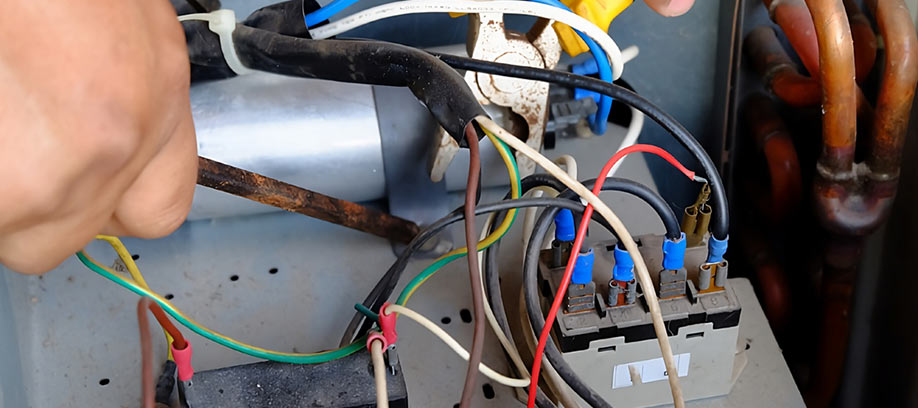
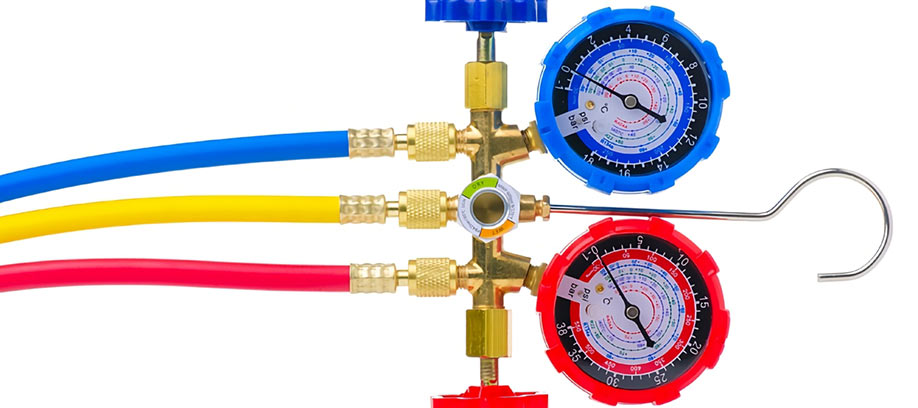
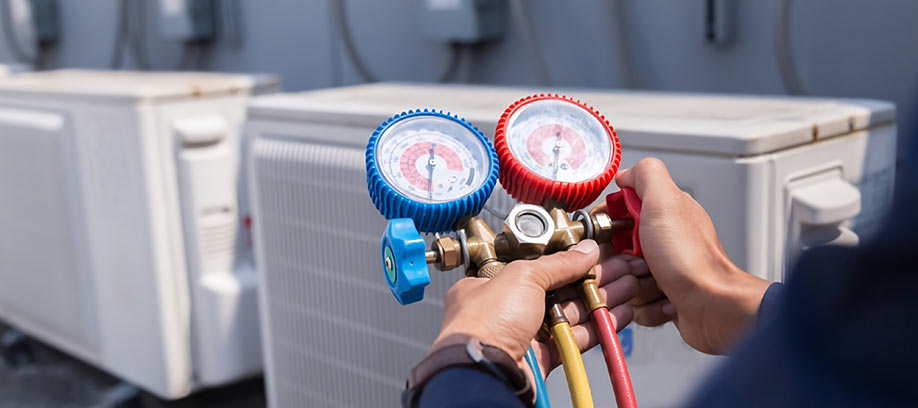
During a maintenance visit, the technician inspects and cleans key components, checks refrigerant levels, tests safety controls, and verifies system performance. They’re looking for early warning signs that something is wearing out. Small adjustments are made on the spot to help the unit run smoother. It’s basically a full wellness check for your HVAC system.
Why Homeowners in TX Trust John Moore HVAC Services
John Moore HVAC Services has been helping Texas families for decades with dependable maintenance, transparent pricing, and licensed technicians who genuinely understand what Houston weather does to AC systems. Whether you’re simply staying ahead of repairs, deciding if a service contract makes sense, or planning a full replacement, our team is here to keep your home comfortable year-round.