Yes — Amana AC units have a strong reputation for being reliable, efficient, and built to last, which matters a lot here in Texas where your AC isn’t just a comfort feature… it’s a necessity for most of the year. Homeowners who choose Amana usually do so because they want solid performance, quieter cooling, and one of the strongest warranties you’ll find in the industry.
Snapshot: What to Know About Amana AC Units
| Category | Details |
| Typical Lifespan | 15–20 years in Texas with proper maintenance |
| Installed Cost in TX | Approx. $4,000–9,300 depending on model and home size |
| Efficiency Range (SEER2) | 14–24.5 SEER2 |
| Best For | Homeowners wanting high efficiency, quiet operation, and strong warranties |
| Warranty Strength | Lifetime unit replacement warranty on select models |
| Noise Level | Quiet operation, especially in two-stage and variable-speed models |
| Humidity Control | Excellent with variable-speed systems; good with two-stage systems |
| Local Climate Insight (TX) | Performs well in hot, humid environments; strong moisture control |
Why Amana Is Considered a Good AC Brand
Shopping for a new AC can feel like comparing a dozen brands that all sound the same. Amana tends to stand out because it delivers dependable cooling, strong efficiency ratings, and warranties that actually mean something if the compressor ever fails. The brand is owned by Daikin, one of the biggest HVAC manufacturers in the world, and that backing has helped Amana technology stay competitive.
They offer several models ranging from basic single-stage systems to high-end variable-speed inverter units. Even the simpler systems are built with durable components, which is one of the reasons HVAC techs often describe Amana as “solid and predictable.”
Key Features That Make Amana AC Units Stand Out
1. High Energy Efficiency
Amana’s premium model, the AVXC20, reaches up to 24.5 SEER2 — which is near the top of the residential market. That kind of efficiency can make a noticeable difference on summer electric bills, especially when the AC is running eight or nine months of the year.
Their standard systems in the 14–15 SEER2 range still meet today’s requirements and can be a good balance of cost versus savings.
2. Advanced Compressor Technology
Amana offers three compressor styles:
Variable-speed inverter (continuously adjusts output)
Two-stage
Single-stage
Most homeowners in the Houston area see the biggest comfort improvement with variable-speed or two-stage systems. These units don’t just switch on and off — they adjust to conditions and run longer at lower speeds, which helps control humidity and keeps temperatures more even from room to room.
3. Quiet Operation
Because variable-speed units don’t constantly blast at full power, they tend to sound more like a soft background hum. Even the mid-level systems include sound-reducing design features to help limit vibration and airflow noise.
4. Smart Thermostat Compatibility
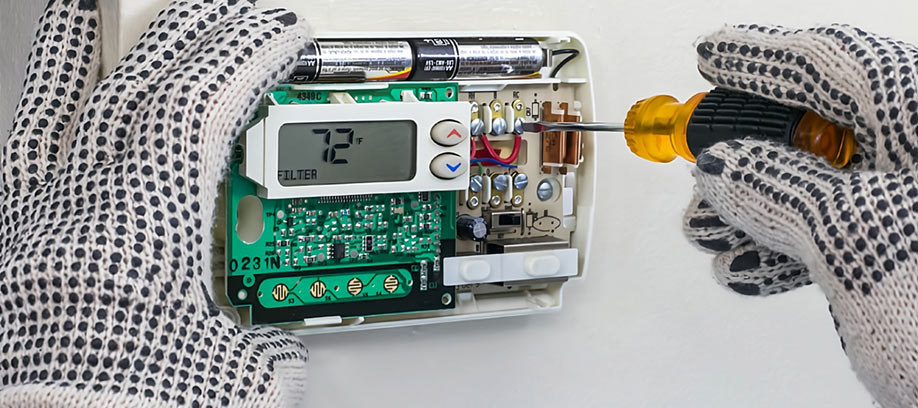
Most Amana AC systems can be paired with Wi-Fi thermostats or smart-home controls. That means you can adjust temperatures remotely, set schedules, and sometimes monitor energy use.
5. Strong Warranty Coverage
This is one of the biggest reasons people choose Amana. Select models include a lifetime unit replacement warranty if the compressor fails — meaning the entire outdoor unit is replaced. Very few brands go that far.
How Much Do Amana AC Units Cost in Texas?
Pricing depends on the home, ductwork, and model, but most homeowners can expect:
Entry-level Amana AC installation: ~$4,000–$6,000
Mid-tier two-stage systems: ~$5,000–$7,500
Premium inverter systems like the AVXC20: ~$6,000–$9,300
Yes — the higher-efficiency units cost more upfront. But in a long cooling season like ours, many homeowners see meaningful savings over time.
How Amana Compares to Other AC Brands
Amana regularly gets compared with major brands such as Trane, Carrier, Lennox, and American Standard. All of those companies make quality systems. Where Amana really shines is in:
Strong warranty protection
Good humidity control on higher-end models
Competitive efficiencies
Solid value for the price
Some premium competitors may edge Amana out slightly in ultra-quiet operation — but when you factor in warranty strength and cost, Amana holds its own extremely well in Texas climates.
What Affects Your Amana AC’s Performance and Cost?
1. Home Size & Layout
Two-story homes, large square footage, or poor insulation can change equipment needs — it’s not one-size-fits-all.
2. Existing Ductwork Condition
Leaky or undersized ductwork can sabotage even the best system. Sometimes small duct upgrades make a big difference.
3. Installation Quality
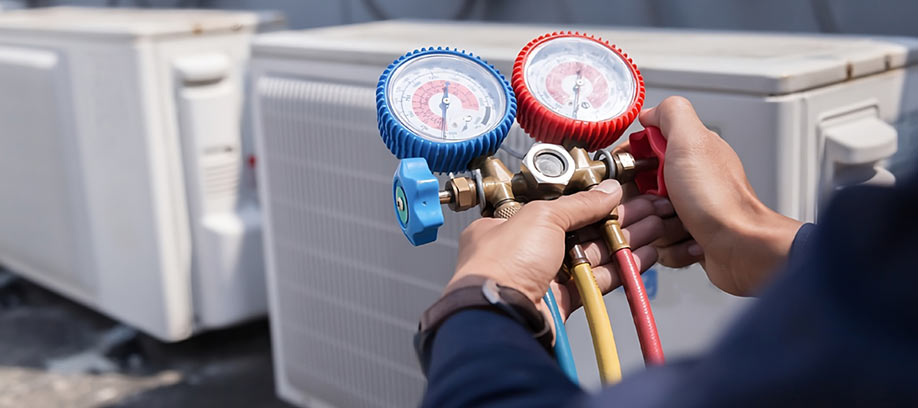
This is the big one. A great system installed poorly will never perform like it should. Proper sizing, refrigerant charging, and airflow setup are critical.
4. Local Climate
Hot, humid locations like Houston benefit most from systems that have humidity-control capability.
5. Maintenance
Yearly tune-ups help protect your investment and keep energy use down.
Step-by-Step Guide for Choosing the Right Amana AC
Get a professional load calculation — don’t guess at tonnage.
Pick the compressor style that fits your home and budget.
Think about humidity — if your home feels muggy, step up in model.
Compare warranty strength and expected energy savings.
Choose a licensed, reputable HVAC installer.
Schedule annual maintenance so your system stays efficient.
Current Trends and Texas Cooling Outlook
Across the country — and especially in Texas — more homeowners are moving toward variable-speed systems because they offer lower monthly energy costs, better comfort in every room, improved airflow, and longer average system life.
As efficiency standards continue to evolve, Amana has kept pace with new technology and design — which helps keep their systems relevant for years to come.
FAQs
How long do Amana AC units last in Texas?
Most Amana AC units last between 15 and 20 years in Texas when they’re installed properly and maintained regularly. Systems that receive yearly tune-ups usually perform better and break down less. Heavy summer use can shorten lifespan if maintenance is skipped. Proper installation and sizing are just as important as the equipment itself.
Is the Amana AVXC20 worth the higher price?
Yes, the AVXC20 is usually worth the investment for homeowners who want top-tier efficiency and comfort. It runs quietly, removes humidity well, and helps reduce long-term energy costs. The lifetime replacement warranty on select models also adds peace of mind. It’s a good fit for homes that rely heavily on AC.
Are Amana and Goodman the same?
Amana and Goodman are owned by the same parent company, Daikin, but they are marketed as different product lines. Amana generally includes upgraded components and stronger warranty coverage. Installation quality still matters more than brand alone. But many homeowners choose Amana for the warranty protection.
Are Amana AC units noisy?
Most Amana AC units run fairly quietly, especially the two-stage and variable-speed systems. These units spend more time running at low speed, which reduces noise and short cycling. Older units or single-stage systems tend to sound louder by comparison. Proper installation and placement also help limit noise.
Do Amana ACs work well in humid areas?
Yes — Amana AC systems work very well in humid climates, particularly the variable-speed models. These systems run longer at lower speeds, which improves moisture removal and overall comfort. Better humidity control also helps reduce musty smells and stale indoor air. Many Texas homeowners notice a big difference compared to older systems.
Why Texas Homeowners Trust John Moore HVAC Services
For over 50 years, John Moore HVAC Services has helped Texas homeowners choose reliable, long-lasting cooling systems that truly fit their homes. Whether you’re comparing brands, replacing an outdated AC, or exploring Amana systems specifically, our licensed HVAC professionals can walk you through your options and handle installation the right way — so your system works like it should from day one.