You walk into your house after being stuck in 95-degree traffic, expecting that beautiful blast of cold air. Instead? Warm. Your vents are definitely blowing—you can feel the air—but it might as well be a hair dryer. The thermostat says 72. The system’s running. And you’re standing there like… what the actual heck?
Look, if your AC vents are blowing warm air, it’s usually one of three things: airflow problems (clogged filter, dirty coils), low refrigerant (leak somewhere), or your thermostat being weird. Most of these? Fixable. Some you can even check yourself before dropping money on a service call.
Quick Facts: Why Houston Vents Blow Warm Air
- Filters get destroyed here: Texas pollen, pet hair, and humidity demolish filters fast. Plan on swapping them every 30-45 days during summer—not the 90 days the box says.
- Refrigerant doesn’t just disappear: If it’s low, you’ve got a leak. And no, you can’t just top it off and call it a day. The leak has to be found and fixed, or you’re throwing money away.
- Thermostats are sneaky culprits: Dead batteries, wrong mode, sensor in direct sunlight—these cause warm air more often than you’d think. Check the obvious stuff first.
- Your outdoor unit is probably filthy: Grass clippings, cottonwood fluff, wasp nests (yeah, we’ve seen it)—when your condenser can’t breathe, it can’t cool.
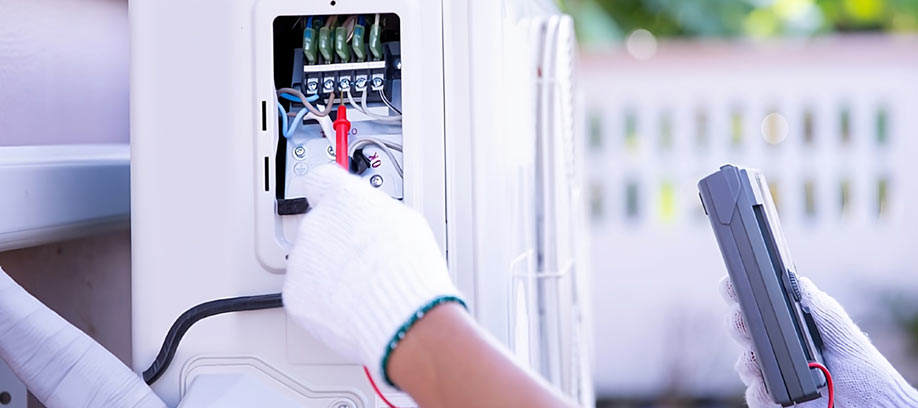
- Electrical problems aren’t DIY: Compressor malfunctions and capacitor failures need pros. Don’t mess with electrical—it’s dangerous and you’ll make it worse.
- Summer maintenance prevents meltdowns: We’re not trying to sell you services—it’s just reality. Systems that get checked in spring don’t die in July.
Common Causes of Warm Air (And What to Do)
Alright, here are the usual suspects. We’re gonna start with the easy fixes and work our way up to the stuff that needs a tech.
Dirty Air Filters and Condenser Units
This is number one. By far. Your air filter catches everything—dust, pollen, dog hair, whatever’s floating around your house. In Texas? That’s a lot. Over time it clogs up completely.
Think of it like trying to breathe through a pillow. That’s what your AC is dealing with. The system works way harder than it should, efficiency drops, and your electric bill shoots up. Same deal with your outdoor condenser—when it’s buried in grass clippings or that cottonwood fluff that coats everything in spring, it can’t dump heat outside. So guess where that heat stays? Inside your house.
What Actually Fixes It
DIY filter swap: Takes 60 seconds, costs maybe 20 bucks, solves the problem about half the time. If you haven’t changed your filter in three months? Start here. Seriously.
Professional condenser cleaning: This is deeper. Techs can clean the coils properly without bending the fins (which you’ll do with a pressure washer—trust us). They’ll also check refrigerant levels and make sure everything else is running right.
In Houston, we tell people to check filters monthly during summer and replace them every 1-3 months depending on pets and allergies. More isn’t overkill—it’s smart.
Low Refrigerant Levels
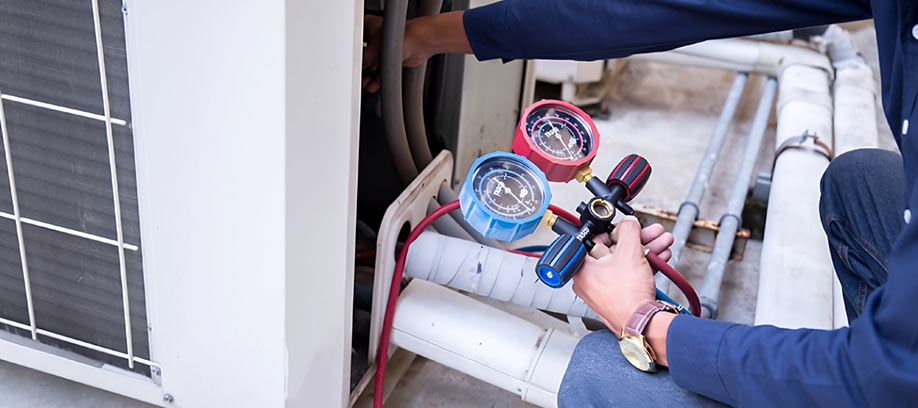
Here’s the thing about refrigerant—it doesn’t get “used up” like gas in your car. It’s a closed system. If levels are low, something’s leaking. Could be a tiny crack in a line, could be coil corrosion (Houston humidity accelerates this), could be a failed connection.
When refrigerant drops, your AC literally can’t absorb heat anymore. The system runs, the fan blows, but nothing’s getting cold. You’ll notice warm air, ice forming on the copper lines, or hissing sounds near the outdoor unit.
Why This Isn’t DIY
Refrigerant requires EPA certification for a reason—it’s hazardous to you and the environment if mishandled. Plus, just adding more without fixing the leak is like filling a tire with a nail still in it. You’re wasting money and you’ll be back in the same spot in two weeks.
Low refrigerant also strains your compressor, which is the most expensive part of your AC. Running it low long enough? You’ll wreck the compressor and then you’re looking at a 2,000-dollar repair or a full system replacement.
Thermostat Issues (The Sneaky Ones)
Sometimes—and I know this sounds too simple—it’s just the thermostat being dumb. We get calls all the time where someone’s AC is “broken” and it turns out the thermostat’s on the wrong mode or the batteries died.
Before you call anyone, check these:
- Is it set to Cool? (Not Fan Only, not Auto, not Heat)
- Is the temperature setting actually lower than what your house currently is?
- Are the batteries dead? (If it takes batteries)
- Is the sensor loose or sitting in direct sunlight?
Pro tip: If you’ve got one of those fancy smart thermostats and it’s acting weird, try pulling it off the wall for 30 seconds to reset it. Sometimes they just need a reboot like your computer does.
If none of that works, you might have loose wiring behind the thermostat or a faulty sensor. That needs a tech.
Electrical or Compressor Malfunctions
Okay, this one’s less common but way more serious. Capacitors, contactors, compressor motors—when these fail, your AC either won’t start at all or it’ll shut off randomly or make horrifying noises.
Do not—and I can’t stress this enough—do not attempt to fix electrical issues yourself. We’ve seen homeowners get shocked, damage their systems beyond repair, or even start electrical fires trying to DIY this stuff.
Electrical work needs certified HVAC technicians with proper tools and training. It’s a safety thing, not a money grab. We’d rather you be safe than sorry.
Step-by-Step: What to Do Right Now
Here’s your game plan if warm air just started coming out of your vents.
Step 1: Check Your Air Filter (Right Now)
Go look at it. If it’s gray or you can’t see light through it, replace it. Do this before anything else. You’d be shocked how many service calls we get where this is literally the only problem.
Step 2: Inspect Your Thermostat
Make sure it’s on Cool mode and the temperature is set lower than your current room temp. Replace the batteries if it uses them. If it’s a smart thermostat acting up, try resetting it.
Step 3: Check Refrigerant (But Let a Pro Do It)
You can look for signs—ice on the copper lines, hissing sounds, warm air even after filter replacement. But only a licensed tech should actually check and refill refrigerant. This is not negotiable.
Step 4: Inspect Your Outdoor Unit
Walk outside and look at your condenser. Is it covered in grass clippings? Leaves? Dirt? Use a garden hose to gently rinse the outside (not with a pressure washer). Make sure there’s at least two feet of clearance around it.
Step 5: If Nothing Works, Call John Moore
For electrical issues, compressor problems, refrigerant leaks, or if the warm air won’t go away after trying everything else—call us. Our techs have seen it all and can diagnose problems fast.
Houston HVAC Trends You Should Know
Texas summers are getting longer and hotter. We’re not making that up—the data backs it up. AC systems are working harder than ever, which means more breakdowns if you’re not maintaining them.
We’re seeing a huge uptick in smart thermostat installs across Katy, Sugar Land, and The Woodlands. They help prevent warm-air issues by alerting you to problems before they get bad. Plus they save on electric bills, which matters when you’re running AC nine months a year.
High-efficiency systems (16+ SEER) are becoming standard in new installs. They cost more upfront but the monthly savings are real—especially in Houston where we basically live on our AC.
And preventive maintenance? It’s not just something we say to sell services. Systems that get checked in spring don’t die in July when you need them most. That’s just reality.
FAQ
Can I fix warm air from vents myself?
You can handle the easy stuff—replacing filters, checking thermostat settings, clearing debris from the outdoor unit. But refrigerant work, electrical repairs, and compressor issues should always go to a licensed HVAC tech. Safety first, and DIY fixes often make the problem worse and more expensive to repair later.
How often should I replace my AC filter in Texas?
Every 1-3 months during peak cooling season, more often if you have pets or allergies. Texas pollen, humidity, and constant AC use destroy filters faster than in other climates. A clogged filter is the number one cause of warm air from vents, so checking it monthly is smart. Filters are cheap—compressor replacements aren’t.
How do I know if my refrigerant is low?
Common signs include warm air from vents, ice forming on copper refrigerant lines, hissing or bubbling sounds near the outdoor unit, and spikes in your electric bill. Your AC might also run constantly without reaching the set temperature. Only a licensed technician can safely check and refill refrigerant—never attempt this yourself.
Does cleaning the condenser really improve cooling?
Yes, absolutely. Dirty condenser coils restrict heat transfer, which directly reduces cooling power and efficiency. A clean condenser can improve cooling by 10-15 percent and lower energy costs. Professional cleaning is best—they won’t bend the delicate fins like a pressure washer will. Annual cleaning is worth it.
When should I call a technician instead of troubleshooting myself?
Call immediately for electrical problems, refrigerant leaks, compressor issues, or if warm air persists after replacing filters and checking basic settings. Also call if you hear unusual noises (grinding, squealing, banging) or see ice anywhere on your system. These problems get worse fast, and early diagnosis saves money.
John Moore HVAC Services: We Fix Warm Air Fast
John Moore HVAC Services has been keeping Texas homes cool for over 50 years. Our licensed technicians specialize in all types of AC problems—from simple filter issues to complex refrigerant leaks and compressor repairs.
We’re local. We’re experienced. And we’re here when you need us. Whether you’re in The Heights, Katy, Sugar Land, Pearland, or Memorial, we can get to you fast. Routine maintenance, emergency repairs, full system replacements—we handle it all. Give us a call and let’s get your house cool again.