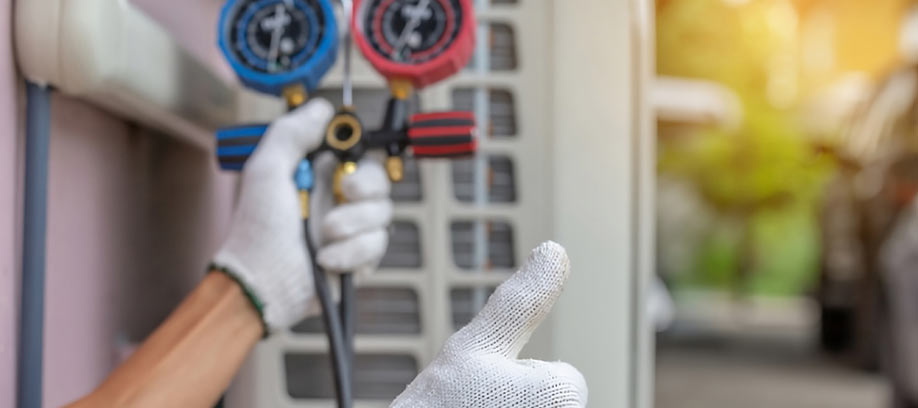
If you ask most HVAC techs when your system should be inspected, you’ll hear the same answer almost every time: twice a year. Once in the spring before you really start leaning on the AC, and again in the fall before you switch over to heat. That schedule keeps things safe, efficient, and dependable. And here in Texas — especially around Houston — systems work long days in rough heat, so skipping inspections usually catches up with you sooner rather than later.
An HVAC inspection isn’t just someone shining a flashlight at your unit. A real inspection means checking refrigerant pressure, electrical components, airflow, drainage, and safety controls. The idea is simple — find the little problems before they snowball into the kind that leave you sweating in August or shivering in January.
Snapshot: What Texas Homeowners Should Know
| Category | Details |
| Recommended Frequency | Twice per year (spring + fall) |
| Typical Inspection Cost | $200–$400 per system |
| Time Required | About 1–3 hours |
| Texas Impact | Long cooling seasons increase wear |
| Why It Matters | Prevents breakdowns and protects system lifespan |
Why Semiannual HVAC Inspections Matter
Most folks don’t think about their HVAC system until something stops working. Totally normal. But by the time you notice weak airflow, strange noises, or uneven temperatures, the problem usually didn’t start that day. It’s been building quietly in the background. Regular inspections help catch those early warning signs before they turn into big-ticket repairs.
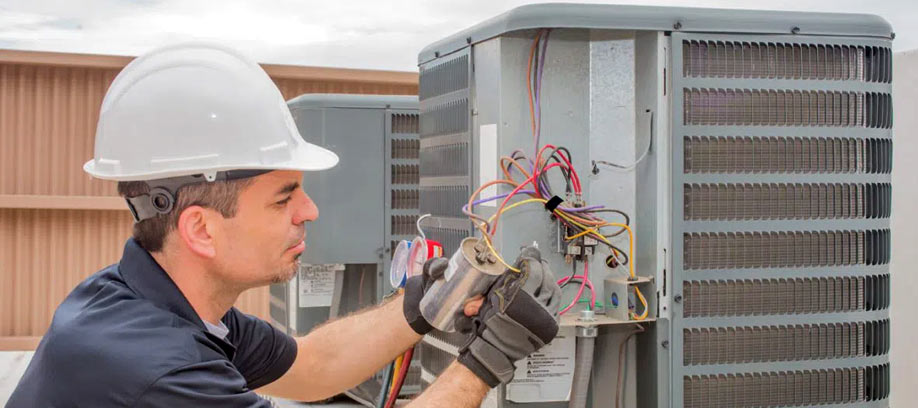
During an inspection, the technician checks airflow, electrical systems, refrigerant pressures, safety switches, temperature output, thermostat response, and drainage — especially the condensate system. In Texas, humidity and long daily runtime also take a toll on things like capacitors and coils, so those areas usually get extra attention.
Seasonal Timing: Spring & Fall
Spring Inspection — Cooling System Check
Before the summer heat settles in for the season, your AC needs a full once‑over. That usually includes cleaning the condenser coil, testing refrigerant charge, checking capacitors and wiring, confirming the fan motor is healthy, flushing the drain line, and making sure the system is cooling the way it should. This single visit prevents a lot of midsummer emergencies — which always seem to happen at the worst possible time.
Fall Inspection — Heating System Check
Once the weather cools off, attention turns to your furnace or heat pump. A fall inspection confirms the ignition system is safe, burners are clean, safety switches are working, and airflow looks good. If you have gas heat, the technician may also check carbon monoxide levels. The whole goal is making sure your heat turns on safely when you need it — without surprises.
What’s Included in a Professional HVAC Inspection?
Most professional inspections look at three main areas — the heating equipment, cooling equipment, and ductwork. All three play a role in comfort and safety.
Heating System Checks Usually Include:
- Thermostat performance and calibration
- Furnace cabinet and wiring condition
- Safety and high‑limit switch operation
- Gas pressure and carbon monoxide testing (when applicable)
- Ignition and burner operation
Cooling System Checks Usually Include:
- Condenser and evaporator condition
- Refrigerant pressures
- Fan motor and condenser performance
- Drain line flow and overflow protection
- Electrical connections and capacitor readings
Ductwork Checks Usually Include:
- Airflow balance
- Leak detection
- Blockages or restrictions
- Insulation condition
How Long Do HVAC Inspections Take?
Most inspections take somewhere between one and three hours. Smaller homes with newer systems fall on the quicker end. Larger homes, older units, or homes with multiple systems naturally take longer. At the end, your technician should walk you through the results in plain English so you’re not left guessing about anything.
Cost of HVAC Inspections in Texas
In most Texas homes, you can expect to pay between $200 and $400 per system for a proper inspection. Homes with two or three systems will pay more simply because there’s more work involved. It’s an upfront cost, sure — but catching issues early usually prevents expensive breakdowns later on. Many homeowners feel the inspections end up paying for themselves.
Inspections vs. Tune‑Ups vs. Maintenance Plans
These terms sound similar, but they’re not exactly the same.
- An inspection checks system health and safety.
- A tune‑up includes cleaning and performance adjustments.
- A maintenance plan bundles visits, reminders, and priority service.
In the Houston area — where AC season lasts most of the year — maintenance plans often make sense because they help keep you on schedule without having to remember it yourself.
Factors That Affect HVAC Performance and Inspection Needs
1. Age of the System
Older systems — especially those over 10 to 15 years old — benefit the most from regular inspections. Parts wear faster, wiring weakens, and components simply don’t tolerate neglect as well.
2. Local Climate
Texas heat and humidity cause your AC to run long hours. That extra workload leads to more wear — especially on motors, capacitors, and coils.
3. Usage Patterns
If your system runs nearly nonstop in summer, inspections matter even more. On the flip side, rarely used systems can also develop issues like moisture buildup or stale duct air.
4. Air Quality
Dust, dander, and pollen clog coils and filters. Add humidity to that mix and you’ve got a recipe for mold or mildew. Inspections help catch this before it becomes a problem — especially around the Gulf Coast.
5. Home Size and Duct Design
Hot and cold spots, noisy ducts, or weak airflow all point to duct or airflow issues. Fixing those early keeps the system from working harder than it should.
Simple Step‑by‑Step HVAC Care Plan
- Schedule a spring inspection before AC season.
- Schedule a fall inspection before heating season.
- Replace air filters every one to three months.
- Keep the outdoor unit clear of debris.
- Call a technician if you notice unusual sounds, smells, or weak airflow.
- Seal duct leaks if your home develops uneven temperatures.
Current HVAC Trends & Local Outlook
Across Texas, more homeowners are moving toward high‑efficiency HVAC systems, whole‑home air filtration, and smart thermostats. Those upgrades work best when the system is kept in good condition — which is exactly what inspections help with. With rising energy costs and long cooling seasons, staying proactive is becoming less of a “nice‑to‑have” and more of a smart habit.
FAQs
Can I skip HVAC inspections if my system seems fine?
It’s not a great idea to skip inspections, even if everything looks normal. Many HVAC problems develop slowly long before you notice a difference indoors. Catching those issues early is almost always cheaper than dealing with a full‑on breakdown later. Think of inspections like routine check‑ups for your home’s comfort system.
How long do HVAC systems last with proper maintenance?
Most HVAC systems in Texas last somewhere between 12 and 18 years when they’re properly maintained. Regular inspections help reduce wear, improve efficiency, and prevent major failures. Neglected systems usually fail earlier and cost more to run — especially in our long cooling season.
Are inspections the same as repairs?
No — an inspection is meant to identify problems, while repairs fix them. Sometimes minor repairs can be completed during the same visit, but only after discussing it with you first. The inspection itself focuses on safety, condition, and performance.
Does a new HVAC system still need inspections?
Yes — even a brand‑new HVAC system should be inspected regularly. Many manufacturers require professional maintenance records to keep warranties valid. Staying on top of inspections also helps your new system last longer.
Will HVAC inspections help lower my energy bill?
Yes — a clean and properly adjusted HVAC system almost always runs more efficiently. Poor airflow, dirty coils, or refrigerant issues force your system to work harder than necessary. Inspections help make sure everything is running the way it should, which can reduce energy waste.
Why Homeowners in Texas Trust John Moore HVAC Services
For decades, homeowners across the Houston area have trusted John Moore HVAC Services for honest advice, thorough inspections, and dependable repairs. Our licensed technicians understand how Texas weather affects HVAC systems, and we take the time to explain what we find so you can make informed decisions. Whether you’re keeping up with routine care or solving a problem, we’re here to help your home stay safe and comfortable year‑round.