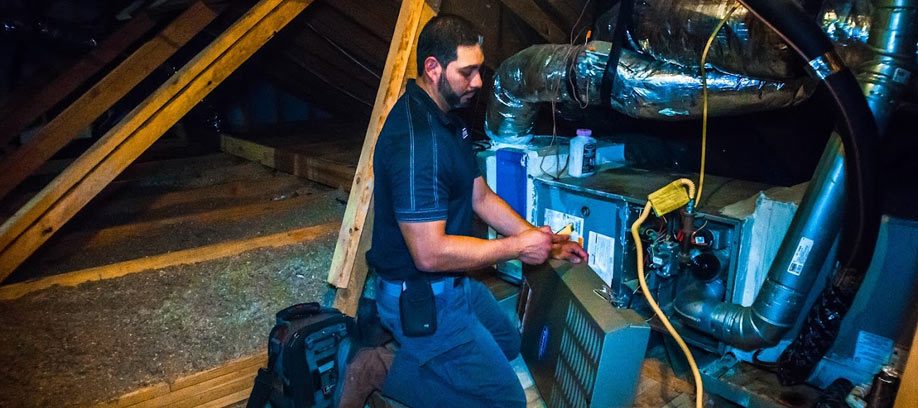
Here’s the honest answer most homeowners want right away. Your HVAC system should be professionally serviced once a year at minimum. If you have a heat pump, twice a year is smarter because it works all year long — not just in one season. And in Texas, where the AC runs what feels like nonstop through summer, regular maintenance is a lot like an oil change for your car. Skip enough of them and eventually something is going to let go.
Most HVAC breakdowns don’t happen out of nowhere. Little issues build up slowly — a loose wire here, a weak capacitor there, a dirty coil that keeps running hotter than it should. Maintenance is what keeps small problems from turning into expensive repairs. It also helps the system run smoother, which usually means lower energy bills and better comfort inside your home.
Quick Look: How Often Should HVAC Systems Be Serviced?
| System Type / Situation | Recommended Maintenance Frequency |
| Traditional AC + Furnace | Once per year |
| Heat Pump Systems | Twice per year |
| Homes With Heavy Use (Texas) | Annual service strongly recommended |
| Older HVAC Systems (10+ years) | Once per year — sometimes more often |
| Systems Under Warranty | Follow annual service requirements |
Think of yearly maintenance as the baseline. We don’t recommend stretching it further, especially around Houston, because of the heat, humidity, and long cooling seasons. Your system simply works too hard for too long to be left alone for years at a time.
Why Regular HVAC Maintenance Matters
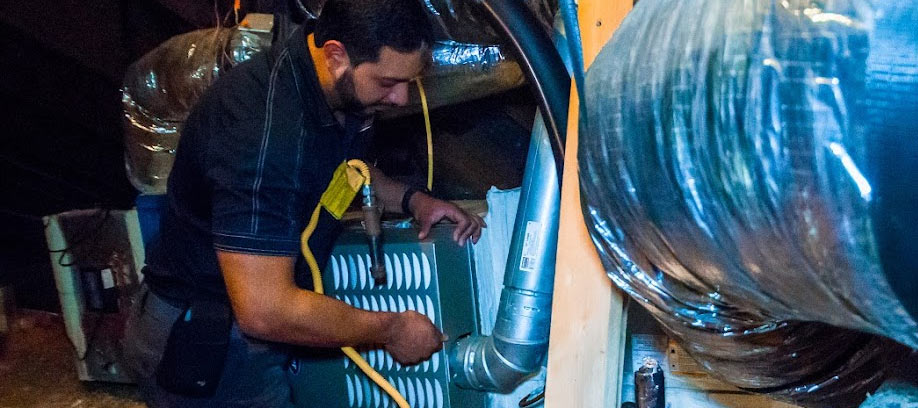
When you pop the cover off a system that hasn’t been serviced in years, you see it right away. Dust caked on coils. Rusty connections. Loose wiring. Parts that are wearing out quietly. Maintenance keeps that from piling up. It also protects your warranty, helps the system last longer, and reduces the chance that you’ll wake up one morning to warm air blowing through the vents.
If you’ve ever had your AC quit in the middle of August, you already know. Preventing a breakdown is a whole lot cheaper and less stressful than fixing one during a heat wave.
How Often Should You Schedule HVAC Maintenance?
Cooling Systems — Once Every Spring
Spring is the best time to service your air conditioner. Temperatures haven’t gone crazy yet and you can make sure everything is ready before the brutal summer stretch hits. A good tune‑up checks refrigerant, cleans the outdoor unit, tests electrical parts, and makes sure the system is running the way it should.
Heating Systems — Once Every Fall
Your furnace or heat pump should get checked in the fall before cold weather rolls in. Safety is the big one here. Technicians look at burners, ignition, wiring, and airflow to make sure everything is safe and reliable before you need it.
Heat Pumps — Twice a Year
Heat pumps don’t really take a break. They cool in summer and heat in winter, so they rack up a lot of runtime. Because of that, they really do benefit from two maintenance visits a year — one before cooling season and one before heating season.
What Homeowners Can Do Between Visits
There are a few simple things you can handle yourself. Change your filters regularly. Keep the outdoor unit clear of leaves and dirt. Watch for strange noises or smells, or a sudden jump in your electric bill. If something feels off, it usually means the system needs attention.
What’s Included in Professional HVAC Maintenance?
Different contractors word things differently, but most solid maintenance visits include the same core steps:
- Cleaning and inspecting coils
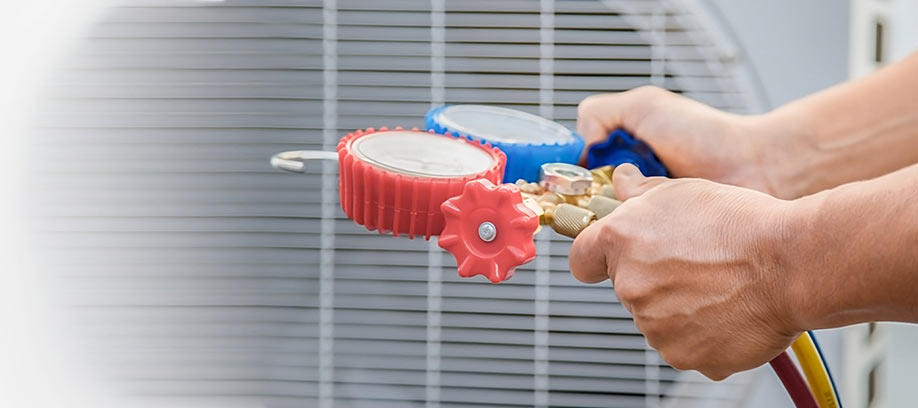
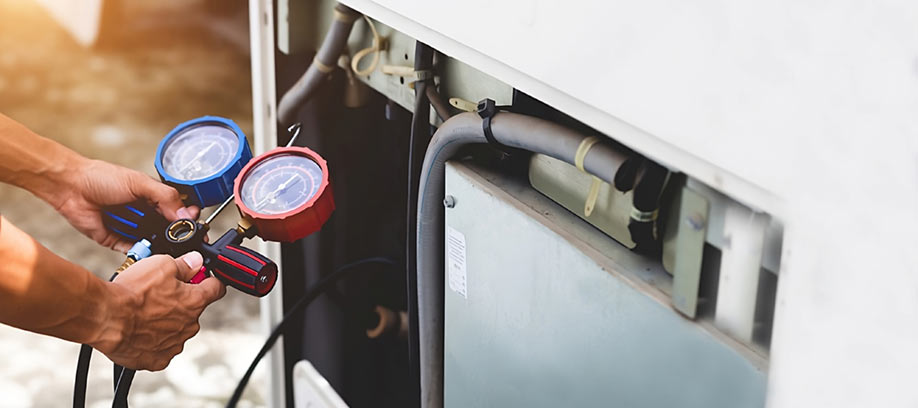
- Checking refrigerant levels and pressures
- Testing electrical components and connections
- Inspecting blower operation and airflow
- Checking thermostat performance
- Flushing and testing the condensate drain
- Lubricating moving parts when needed
- Inspecting furnace burners and safety controls
A good technician doesn’t just rush through a checklist. They explain what they see and help you understand where the system stands — good, bad, or in‑between.
Maintenance vs Repair vs Replacement — How They Compare
| Service Type | When It’s Used | What It Does |
| Maintenance | Every 1–2 visits per year | Prevents breakdowns and improves efficiency |
| Repairs | When something breaks or stops working right | Fixes the immediate problem |
| Replacement | When the system is worn‑out or inefficient | Swaps for a newer, more efficient system |
Over the long run, homeowners who stay on top of maintenance usually spend less on repairs and get more life out of their equipment. Skipping maintenance may save a little now, but it often costs more later.
What Affects How Often You Need HVAC Maintenance?
Climate and Location
Texas heat is no joke. Systems here run harder and longer than in cooler states, especially along the Gulf Coast where humidity stays high. More run‑time means more wear, which is why maintenance matters so much in the Houston area.
System Age
You can baby an older system and it will usually return the favor. Once an HVAC unit gets past 10 years old, the parts inside are working harder and don’t bounce back the way they used to. Annual maintenance becomes even more important at that point.
Indoor Air Quality and Dust Levels
Homes with pets, kids, dust, or allergies tend to clog filters faster. That means more strain on the blower and more dirt getting into the system. Changing filters and scheduling maintenance helps keep that under control.
How Often the System Runs
If your AC runs eight or nine months out of the year — which is pretty common around Houston — then maintenance is not optional. It’s protection.
A Simple Plan to Stay Ahead of HVAC Problems
- Schedule AC maintenance each spring.
- Schedule heating maintenance each fall.
- Replace filters every 1–3 months.
- Keep the outdoor unit clear of leaves and debris.
- Don’t ignore strange noises or performance changes.
That’s it. Simple — but very effective.
FAQs
Is annual HVAC maintenance really necessary?
Yes, annual HVAC maintenance is strongly recommended for most homes, and twice‑yearly maintenance is best for heat pumps. Regular tune‑ups catch small issues early, improve energy efficiency, and help extend the life of your system. Skipping maintenance often leads to higher repair costs and unexpected breakdowns during extreme weather.
How long does an HVAC tune‑up usually take?
Most HVAC tune‑ups take around 45–90 minutes per system. Older systems or complicated setups can take a little longer. Your technician should walk you through what they found so you know the condition of your equipment.
Can I take care of HVAC maintenance myself?
Homeowners can replace air filters, clean around the outdoor unit, and keep vents clear. Anything involving refrigerant, gas, wiring, or diagnostics should be left to a licensed professional. That keeps the system safe and helps maintain the warranty.
What happens if I don’t service my HVAC system regularly?
Without maintenance, HVAC systems run hotter, wear out faster, and are more likely to break down. You may also notice higher utility bills and weaker performance. Many major repairs start as small, simple problems that were never caught early.
When is the best time of year to schedule HVAC maintenance in Texas?
Spring is the best time for AC maintenance and fall is the best time for heating maintenance. If you have a heat pump, schedule service twice a year. Getting maintenance done before peak seasons helps ensure your system is ready when you need it most.
Why Homeowners Across Texas Choose John Moore HVAC Services
For decades, John Moore HVAC Services has been helping Houston‑area homeowners stay ahead of costly breakdowns with dependable, professional maintenance. Our licensed technicians understand the toll Texas heat takes on HVAC systems, and we take time to explain what your home really needs. Whether you’re trying to avoid repairs, lower bills, or just get peace of mind, we’re here to keep your system running the way it should.