
Indoor air quality isn’t something most homeowners think about until there’s a problem — like musty smells, dusty rooms, allergies flaring up, or that heavy, stale feeling that just hangs in the house. In Texas, we deal with long stretches of heat and humidity, which means windows stay closed and the HVAC system does most of the work moving air around. When air isn’t circulating properly or the home isn’t filtering well, dust, pet dander, pollen, and moisture can build up faster than you realize.
The good news is that improving indoor air quality usually comes down to a few simple habits and the right HVAC support. You don’t always need fancy equipment — just a consistent plan to control dust, manage humidity, and keep clean air moving through the home. Here’s a practical, real‑world guide designed for Texas homes.
Snapshot: What Homeowners in Texas Should Know
| Category | Typical Range / Insight |
| Filter Replacement | Every 1–3 months depending on pets, dust, and MERV rating |
| Air Purifier Cost | $150–$900 for portable units; whole‑home systems vary |
| Duct Cleaning Timeline | Every 3–5 years when needed or after renovations |
| Common TX Air Issues | High pollen, dust, humidity swings, pet dander, VOCs |
| Most Impactful Steps | Filter upgrades, routine HVAC service, humidity control |
Texas homes stay closed up for most of the year — which is why good filtration and humidity control make such a difference.
Why Indoor Air Quality Matters
Indoor air is often more polluted than outdoor air, especially in energy‑efficient homes that are tightly sealed. Cooking, cleaning, pets, candles, flooring, dust, pollen — it all recirculates unless the home filters and refreshes the air properly. Over time, poor air quality can lead to headaches, breathing irritation, fatigue, and flare‑ups for people with allergies or asthma.
The goal isn’t perfection — it’s cleaner, healthier air that feels fresh and doesn’t irritate you or your family. That starts with a few small steps that add up over time.
Essential Tips for Better Indoor Air Quality
1. Change Your HVAC Filters Regularly
Your HVAC filter is your home’s first line of defense. A good filter traps dust, pollen, pet hair, and other particles before they cycle back into the air. Most Texas homes do best with a fresh filter every 1–3 months depending on pets, allergies, and the filter’s MERV rating. Higher‑rated filters capture smaller particles — but not every system is designed for them, so it’s smart to check with an HVAC professional before upgrading.
If your vents seem dusty, your system feels weak, or your energy bill climbs, a dirty filter is often the first place to look.
2. Schedule HVAC Maintenance and Keep Vents Clean
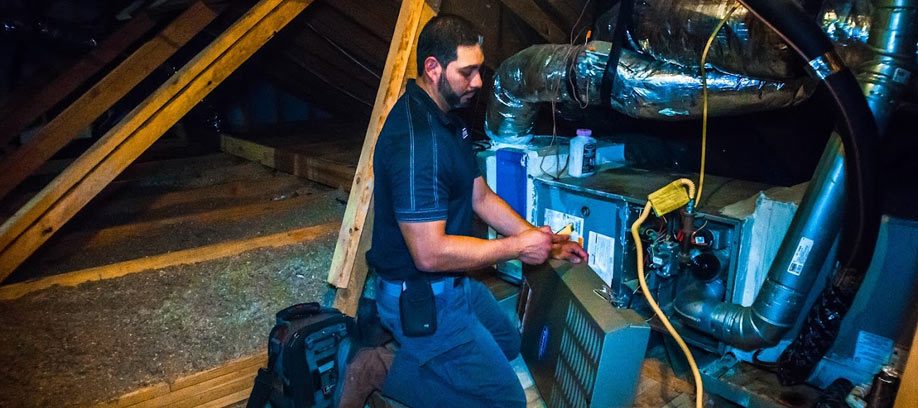
A healthy HVAC system supports healthy air. During maintenance, technicians clean coils, remove dust buildup, check blower parts, and make sure airflow is moving the way it should. That prevents dust circulation and helps manage humidity — which is a big deal in Texas. Most homes benefit from service twice a year: once before cooling season and once before heating season.
It also helps to vacuum vents regularly and keep furniture away from supply and return grilles so air can move freely.
3. Consider a Home Air Purifier
Air purifiers are especially helpful for homeowners with allergies, pets, or breathing sensitivities. HEPA systems trap fine particles like dust and pollen, while activated‑carbon filters help absorb odors and chemicals. Portable purifiers work well for bedrooms or offices, but many Texas homeowners prefer a whole‑home purifier that connects directly to the HVAC system for consistent coverage.
4. Reduce Pollution at the Source
Some indoor pollutants start inside the home — so the less you create, the cleaner your air stays. Switching to low‑VOC cleaning products and paints, washing bedding weekly, grooming pets, and using kitchen exhaust fans all help reduce buildup. And of course, smoking indoors is one of the fastest ways to contaminate indoor air.
5. Add Indoor Plants for Mild Natural Freshness
Houseplants won’t replace a filter or purifier, but they can add a little natural freshness and moisture balance. Low‑maintenance options like snake plants, spider plants, and peace lilies are popular choices — especially in living rooms or bedrooms.
6. Control Indoor Humidity
Humidity has a huge impact on air quality. Too much moisture encourages mold and musty odors. Too little dries out your skin and airways. The sweet spot is generally 30–50%. In Texas, that often means using dehumidifiers, sealing air leaks, and keeping your HVAC system tuned‑up so it can remove moisture properly during cooling season.
7. Clean Your Ducts When Needed
Duct cleaning isn’t an every‑year job — but it does matter when there’s visible dust, mold concerns, weak airflow, or after a major home renovation. A proper inspection helps determine whether cleaning is necessary or whether the issue is coming from somewhere else in the system.
How Indoor Air Solutions Compare
| Solution | Best For | Limitations |
| Basic HVAC Filters | Everyday dust and pollen | Must be replaced often |
| High‑MERV Filters | Allergy & dander control | Not compatible with all systems |
| Portable Purifiers | Small rooms & offices | Limited coverage; filter cost |
| Whole‑Home Purifiers | House‑wide protection | Higher upfront cost |
| Plants | Mild odor support | Minimal filtration effect |
There’s no single magic tool. Most homes see the best results by combining filtration upgrades with maintenance and source reduction.
Step‑By‑Step Plan To Improve Indoor Air Quality
- Replace your HVAC filter and set a reminder for next time
- Vacuum vents and ensure furniture isn’t blocking airflow
- Schedule a seasonal HVAC tune‑up
- Reduce pollutant sources where possible
- Add a purifier or upgraded filtration if needed
- Balance indoor humidity levels
- Consider indoor plants for small freshness boosts
- Monitor how the home feels and reassess every month
Keeping things simple makes it easier to stay consistent — and consistency is what really improves air quality over time.
Trends and Local Outlook for Texas Homes
More Texas homeowners are upgrading filters, adding purifiers, and scheduling regular HVAC service as allergy seasons get longer and humidity becomes more unpredictable. Smart air monitors are also growing in popularity, making it easier to track indoor conditions in real time.
FAQs
How often should I replace my HVAC filter?
Most Texas homes need a new filter every 1–3 months depending on pets, dust, and allergies. If your vents look dusty, your system seems weak, or your energy bill climbs, that’s usually a sign the filter needs attention. Higher‑MERV filters may require more frequent replacement.
Are plants enough to clean indoor air?
Plants can freshen a room slightly, but they don’t replace HVAC filtration or air purification. Think of them as a small boost — not your main air‑quality solution.
Do I need duct cleaning every year?
No. Duct cleaning is only needed when there is visible buildup, mold concerns, poor airflow, or after a renovation. A professional inspection can tell you whether cleaning is actually necessary.
What is the best indoor air quality solution for allergies?
A high‑quality HVAC filter, regular maintenance, and a HEPA or whole‑home purifier usually work best — especially in homes with pets or high pollen levels. Keeping humidity balanced also helps reduce irritation.
Can humidity affect indoor air quality?
Yes. Too much humidity encourages mold and musty odors. Too little dries out your skin and sinuses. A balanced range between 30–50% keeps the air comfortable and healthier to breathe.
John Moore HVAC Services Can Help
If you want cleaner, healthier air inside your Texas home, John Moore HVAC Services can help you choose the right filters, purifiers, humidity controls, and maintenance plan. Our licensed technicians understand local conditions and can match the right solution to your home — so the air inside feels as fresh and comfortable as it should.